
The Essential Guide to the Move-Out Checklist
Paystub Generator Editorial Team
Last Updated: September 2, 2026
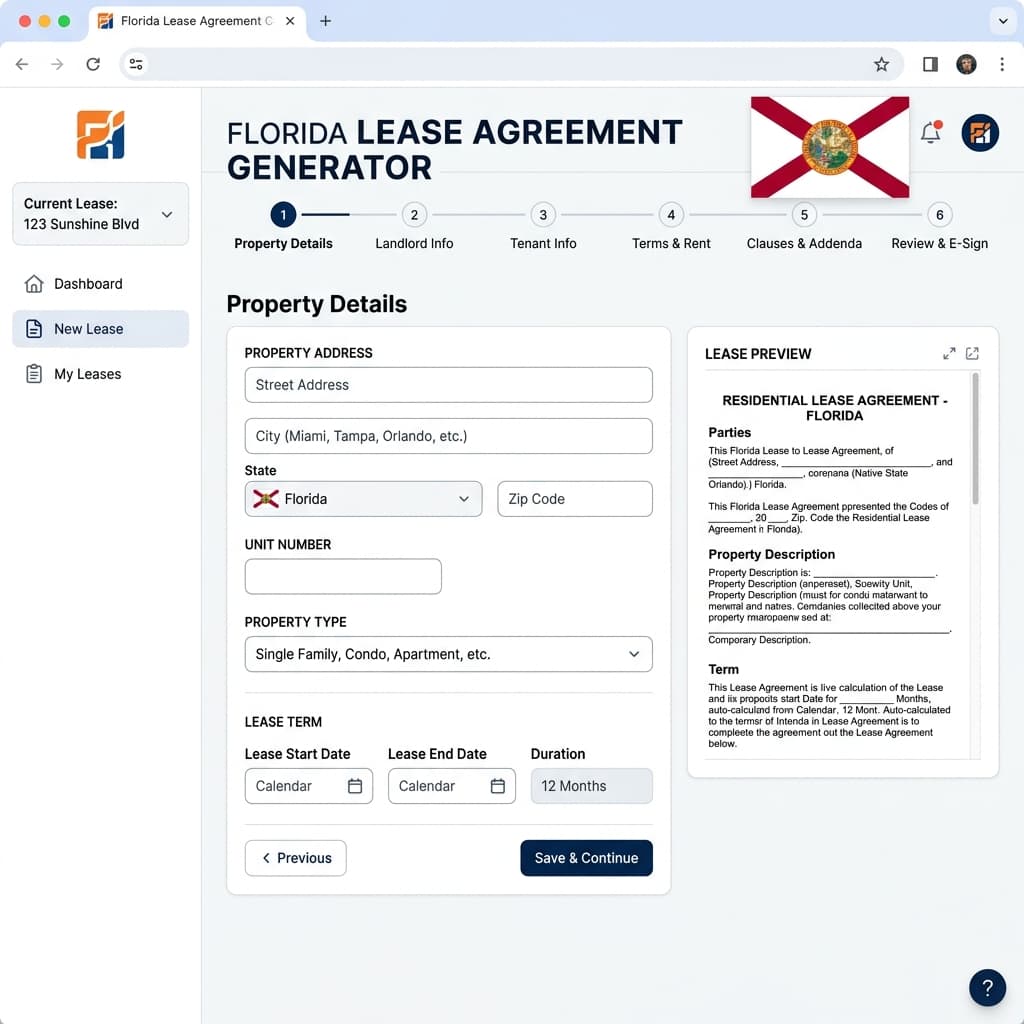
Ensure a smooth tenant transition and protect your security deposit by mastering the final move-out checklist inspection process.
The conclusion of a tenancy is a critical juncture for both landlords and tenants. It requires a meticulous review of the property to determine its final condition before the keys are officially handed over. The primary tool used to facilitate this final review is the Move-Out Checklist.
This document serves as the closing bracket to the tenancy, matching the Move-In Checklist used on day one. A thorough, well-executed move-out inspection is the absolute key to a fair and legally sound security deposit return process. It provides objective, undeniable evidence of the property's condition upon vacancy.
Understanding how to effectively utilize this checklist minimizes disputes and protects the financial interests of everyone involved. This comprehensive guide details every step of the move-out inspection process.
What is a Move-Out Checklist?
A Move-Out Checklist is a detailed, room-by-room inventory document used during the final property walkthrough. It provides a structured format for evaluating the condition of every wall, floor, appliance, and fixture. The landlord uses this document to systematically record any damages, excessive wear, or cleanliness issues.
Ideally, the move-out checklist is physically integrated with the original move-in checklist on a single document. This allows for a direct, side-by-side comparison of the property's condition at the beginning and end of the lease. The checklist ensures that the final inspection is thorough and nothing is accidentally overlooked in the rush of moving.
Once completed, it forms the basis for calculating any necessary security deposit deductions.
Why the Move-Out Checklist Matters
For landlords, the Move-Out Checklist is the primary evidentiary document needed to legally withhold security deposit funds. If a landlord charges a tenant for a broken window, they must prove the window was actually broken upon move-out. The signed, dated checklist provides that exact proof, especially if challenged in small claims court.
Without this written documentation, a landlord's claims of property damage are incredibly weak and often dismissed by judges. For tenants, the checklist is equally vital for defending against unjustified charges. Participating in the walkthrough allows the tenant to challenge unfair assessments immediately before they become finalized deductions.
It ensures a transparent, objective end to the financial relationship.
Comparing the Move-In and Move-Out Checklists
The true power of the Move-Out Checklist is unlocked only when compared directly to the Move-In Checklist. A landlord cannot legally charge a tenant for damage that existed prior to their tenancy. Therefore, every single flaw noted during the move-out inspection must be cross-referenced with the move-in document.
If a large scratch on the hardwood floor is noted at move-out, check the move-in list. If the scratch was already documented there, the tenant is completely absolved of financial responsibility. If the scratch is new, it is a legitimate chargeable damage.
This direct comparison eliminates guesswork and ensures a fair, evidence-based assessment.
The Pre-Move-Out Inspection Concept
Many experienced landlords offer a "pre-move-out inspection" a week or two before the final lease end date. This is an informal walkthrough designed to highlight potential issues while the tenant still has time to fix them. For example, the landlord might point out a dirty oven that would incur a $100 cleaning fee if left unaddressed.
The tenant then has the opportunity to clean the oven themselves, saving their security deposit money. This proactive approach drastically reduces tension and surprises during the final, official walkthrough. It shows the tenant that the landlord genuinely wants to return the full deposit if possible.
In states like California, landlords are legally required to offer this pre-move-out inspection upon the tenant's request.
State Law Disclaimers on Inspections
Landlords must be acutely aware of how their specific state laws govern the move-out inspection process. Some states heavily regulate when and how the final walkthrough must occur. For instance, some jurisdictions dictate that the tenant must be legally offered the right to be present during the final inspection.
In Maryland, the landlord must notify the tenant by certified mail of the exact date and time of the move-out inspection. Failing to follow these strict procedural rules can completely invalidate a landlord's right to withhold deposit funds. A landlord could lose a case over thousands of dollars in real damage simply due to a procedural misstep.
Always consult a local real estate attorney to ensure your inspection procedures are fully compliant.
Essential Preparation for the Final Walkthrough
Both parties should prepare carefully for the final move-out walkthrough to ensure it goes smoothly. The property must be completely empty of all the tenant's personal belongings, furniture, and trash. Trying to conduct a final inspection around moving boxes completely defeats the purpose, as damage may be hidden.
The tenant should have completed all final cleaning tasks before the landlord arrives for the walkthrough. The landlord should arrive equipped with the original signed move-in checklist, a blank move-out checklist, and a bright flashlight. A camera or smartphone is also absolutely essential for documenting the final condition photographically.
Setting clear expectations regarding the property's readiness prevents wasted time and frustrating delays.
Key Areas to Inspect: The Walls and Paint
Walls take a significant amount of abuse during a typical tenancy and require close inspection. Look for large holes caused by mounting heavy televisions or shelving units, which go beyond normal wear. Document any unauthorized paint colors or areas where the tenant attempted a poor patch job.
Look for deep scuffs, gouges from moving furniture, or stains that cannot be removed with simple washing. Remember, landlords cannot charge for minor pinholes from picture frames or standard fading of paint over several years. Normal wear and tear on paint is an expected cost of doing business for a landlord.
However, excessive damage to the drywall itself is almost always chargeable.
Key Areas to Inspect: Flooring and Carpets
Flooring is often the most expensive item to replace in a rental unit. Inspect all carpets for severe, permanent stains caused by pets, spilled bleach, or food. Look for actual tears in the carpet or areas where it has severely pulled away from the baseboards.
On hardwood or laminate floors, look for deep, gouging scratches that penetrate the protective finish. Check for water damage, particularly near exterior doors or in front of the kitchen sink. Slight dulling of the finish in high-traffic areas is normal wear, but massive gouges are actual damage.
Documenting the exact size and location of floor damage is crucial for justifying replacement costs.
Key Areas to Inspect: The Kitchen Appliances
Kitchen appliances must be meticulously inspected for both cleanliness and operational functionality. Open the oven and verify that it has been thoroughly cleaned of baked-on grease and food debris. Check the refrigerator, ensuring all drawers are intact, the freezer is defrosted, and there are no lingering odors.
Turn on all stove burners and test the microwave to ensure they still function properly. Run the dishwasher on a short cycle, listening for unusual noises and checking for leaks underneath. A filthy oven or a broken refrigerator shelf are very common, highly justifiable security deposit deductions.
Ensure these items are listed specifically on the move-out checklist.
Generate a Move-Out Checklist
Our Move-Out Checklist generator produces a complete, printable document formatted perfectly to comprehensively finalize your tenancy and document property conditions.
Create Move-Out ChecklistKey Areas to Inspect: The Bathrooms
Bathrooms require a detailed inspection due to the high risk of water damage and mold accumulation. Check the grout and caulking around the tub and sink; heavy mold indicates the tenant did not clean regularly. Ensure the toilet flushes correctly and there are no new cracks in the porcelain basin or tank.
Check the bathroom vanity cabinets for water damage caused by slow, unreported plumbing leaks. Ensure the exhaust fan is clean and functioning to prevent future moisture issues. A bathroom left covered in soap scum and mildew often justifies a professional cleaning deduction.
Documenting the cleanliness level here is just as important as noting physical damages.
Addressing Missing or Broken Fixtures
Tenants occasionally accidentally break or remove smaller fixtures during the move-out process. The checklist should prompt the landlord to verify that all original light fixtures, ceiling fans, and window blinds are present. Count the smoke detectors and carbon monoxide alarms to ensure they haven't been removed or tampered with.
Check that all interior doors are on their hinges and the doorknobs function smoothly. Missing items, even small ones like a specialty lightbulb or a sink stopper, can legally be deducted from the deposit. Itemizing these missing fixtures on the checklist prevents the landlord from absorbing these annoying replacement costs.
Thoroughness in checking these small details demonstrates professional management.
The Definition of Broom Clean
Most lease agreements require the tenant to leave the property "broom clean" upon move-out. This vague term often causes significant disagreement between landlords and tenants. Generally, "broom clean" means the unit is completely empty of personal property and all trash has been removed.
It implies the floors have been swept or vacuumed, and the countertops and appliances have been wiped down. It does not necessarily mean the property has been subjected to a deep, professional-grade cleaning. Landlords expecting a sparkling, move-in ready unit directly from the tenant are often disappointed.
However, if the unit requires extensive scrubbing to reach a basic level of hygiene, a cleaning fee is justified.
Exterior Inspection and Landscaping
If the rental is a single-family home, the move-out inspection must include the exterior grounds. Verify that the tenant has removed all personal items, grills, or trash from the yard and patio areas. If the lease required the tenant to maintain the landscaping, check the length of the grass and the condition of the garden beds.
Inspect the exterior siding and garage doors for damage potentially caused by vehicles or moving trucks. Check that the provided trash and recycling bins are empty, clean, and present on the property. Exterior damage is just as chargeable as interior damage, provided it is documented properly.
Do not skip the outside just because the inside looks acceptable.
Handling Leftover Tenant Property
It is surprisingly common for tenants to leave personal property behind after they officially vacate. The move-out checklist should note any abandoned furniture, electronics, or massive piles of trash. Landlords cannot simply throw these items away immediately; they must follow specific state abandonment laws.
Many states require landlords to store abandoned property for 14 to 30 days and provide written notice to the tenant. The landlord can eventually charge the tenant for the cost of removing and storing this abandoned property. These costs can be legally deducted from the security deposit, provided they are itemized and documented.
Never assume abandoned property is trash without checking your local statutes first.
The Importance of Forwarding Addresses
The final administrative task of the move-out inspection is securing the tenant's new forwarding address. This is absolutely critical for returning the security deposit and the itemized deduction letter. The Move-Out Checklist document should include a prominent, dedicated line for the tenant to write this address.
Without a forwarding address, the landlord cannot fulfill their legal obligation to process the deposit return. If the tenant refuses to provide one or forgets, the landlord must mail the deposit to the tenant's last known address (the vacated rental). Securing this address on the checklist itself prevents a massive logistical headache later.
Always ask the tenant to verify the address before they leave the property.
Dealing with Key Returns
The final handover of the property is officially marked by the return of the keys. The Move-Out Checklist should specifically document exactly how many keys, garage door openers, and mail keys were returned. If the tenant fails to return all the keys provided at move-in, the landlord must change the locks for security reasons.
The cost of a locksmith to rekey the entire property can legally be deducted from the security deposit. Documenting the missing keys on the signed checklist provides the justification for this necessary expense. Never allow a tenant to retain a key "just in case" they need to grab one last thing.
Once the inspection is done and keys are returned, the tenancy is officially over.
Dispute Resolution During the Walkthrough
Disagreements about property damage are almost inevitable during a move-out inspection. The landlord may view a scratch as major damage, while the tenant insists it is normal wear and tear. The best approach is to remain calm, professional, and refer constantly to the original move-in checklist.
If both parties look at the original document and see the scratch wasn't there, the conversation shifts to the repair cost. If an agreement cannot be reached on the spot, simply note the damage on the checklist and indicate the tenant disputes it. Do not let the walkthrough devolve into a shouting match.
The security deposit return letter will formalize the charges later, allowing time for cooler heads to prevail.
Photographic Evidence at Move-Out
Just like at move-in, photographic evidence is the most powerful tool a landlord has at move-out. Every single item noted as damaged on the checklist must be photographed extensively. Take wide-angle shots to establish context, and then macro shots to show the severity of the specific damage.
Ensure the date and time stamp feature is activated on your camera or smartphone. If a tenant challenges a deduction in court, these move-out photos, compared directly to the move-in photos, will usually win the case. Visual evidence cuts through "he said, she said" arguments effortlessly.
Never rely solely on your written notes; always back them up with clear photographs.
What Happens if the Tenant Isn't Present?
Sometimes, a tenant vacates the property early, abandons it, or simply refuses to attend the final walkthrough. In these situations, the landlord must conduct the move-out inspection alone. It is highly recommended to bring a neutral third-party witness, such as a property manager or a contractor, to corroborate your findings.
The landlord should meticulously complete the checklist, noting "Tenant Not Present" on the signature line. They should take an excessive amount of photographic and video evidence to support every single noted deficiency. The landlord must then mail a copy of the completed checklist to the tenant along with the final deposit accounting.
Conducting the inspection alone requires an even higher standard of documentation to prove fairness.
Legal Deadlines Following the Inspection
The completion of the Move-Out Checklist triggers the strict legal countdown for the security deposit return. Landlords must act quickly to calculate the repair costs, deduct them from the deposit, and mail the final accounting. Most states require this entire process to be completed within 14 to 30 days of the tenant vacating.
Delaying the process because you are waiting for a slow contractor's estimate is not an acceptable legal excuse. Landlords must move aggressively to gather repair quotes to meet these unyielding deadlines. The completed checklist is the roadmap guiding this rapid financial calculation.
Missing the deadline often results in forfeiting the right to keep any deposit funds, regardless of the checklist's findings.
Using a Standardized Template
Creating a Move-Out Checklist from scratch for every tenant is inefficient and risks missing critical details. Utilizing a professional, standardized template is a much smarter business practice. A standardized form ensures that every single room and standard fixture is evaluated consistently.
It provides a familiar format for property managers to use, reducing errors and ensuring comprehensive documentation. Many online generators offer customizable templates that allow you to add specific features unique to your property, like a hot tub or a shed. A professional-looking document also reinforces the seriousness of the process to the tenant.
Consistency in documentation is a key defense against claims of discriminatory or unfair treatment.
Conclusion
The Move-Out Checklist is the final, essential piece of documentation in the landlord-tenant lifecycle. It provides the objective, irrefutable evidence required to fairly assess property damage and process security deposits legally. By utilizing this tool consistently, landlords protect their valuable real estate assets and avoid costly legal disputes.
Tenants also rely on a thorough, comparative inspection to ensure they are not unfairly penalized for pre-existing issues. Conducting the walkthrough with professionalism, thoroughness, and extensi
This guide is part of our Rental Documents service — lease agreements, rent receipts and notices.
Explore Rental DocumentsRental Forms Knowledge Hub
Explore our suite of legally reviewed templates in the Rental category.

