
The Ultimate Guide to Creating a Lease Agreement
Paystub Generator Editorial Team
Last Updated: September 2, 2026
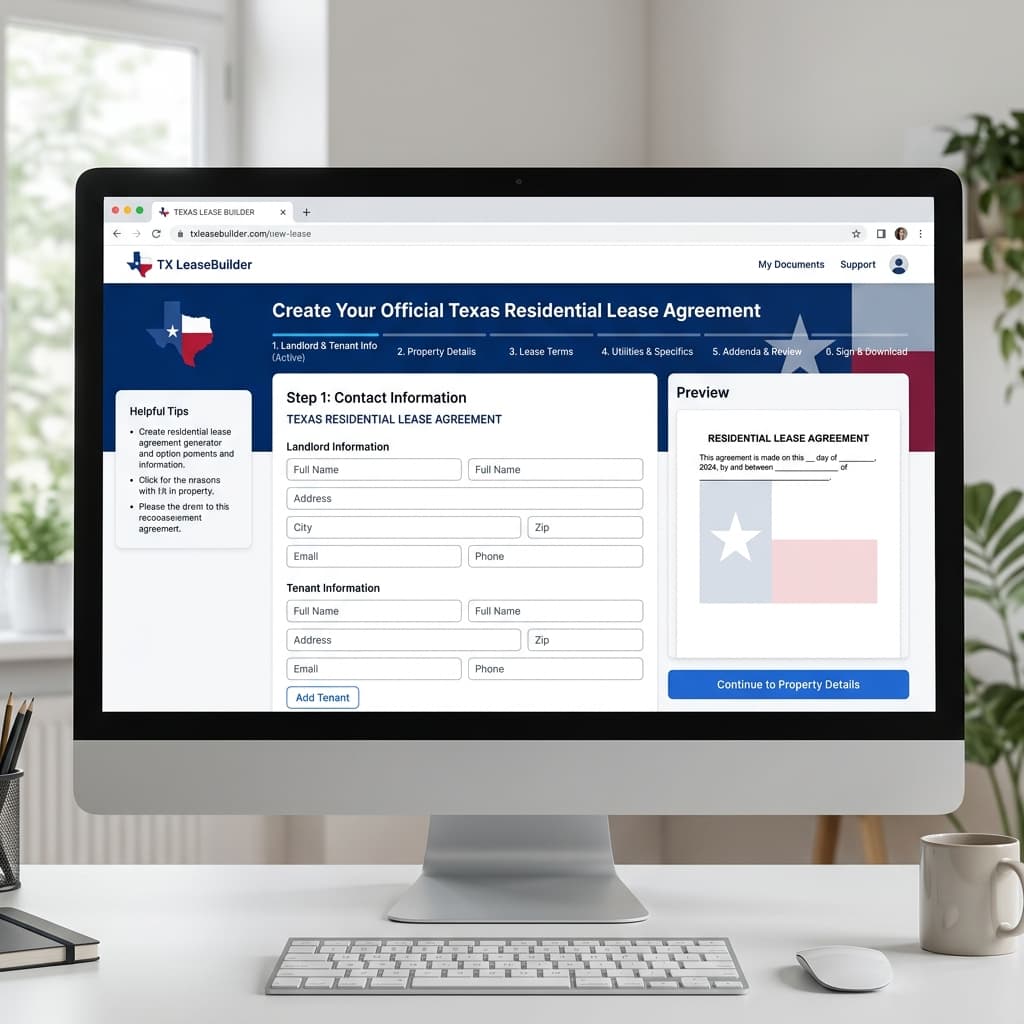
Learn everything you need to know about crafting a comprehensive, legally binding lease agreement that protects both landlords and tenants.
A lease agreement is the foundational document of any landlord-tenant relationship. It serves as a legally binding contract that outlines the rights and responsibilities of both parties. A well-drafted lease is absolutely critical for managing expectations and preventing future disputes.
Without a clear, comprehensive agreement in writing, landlords expose themselves to enormous financial and legal risks. Tenants are similarly vulnerable without a lease to guarantee their right to occupy the property. This guide explores the essential components of a robust lease agreement.
Understanding these elements helps both parties enter the rental arrangement with confidence and clarity. The goal is to create a document that is fair, legal, and easily understood by everyone involved. A strong lease is the best defense against miscommunication and conflict.
The Definition and Purpose of a Lease Agreement
A lease agreement is a formal contract between a property owner (landlord) and a renter (tenant). It grants the tenant the right to use the property for a specified period in exchange for rent. The primary purpose is to clearly define the terms of this exchange to avoid ambiguity.
By outlining rules regarding payment, maintenance, and behavior, the lease minimizes potential friction points. It acts as the ultimate reference point whenever a disagreement arises during the tenancy. A comprehensive lease protects the landlord's physical property and financial interests.
Simultaneously, it protects the tenant's right to "quiet enjoyment" of their home. A solid lease clearly outlines exactly what is expected from the tenant regarding upkeep. It also specifies what the tenant can expect from the landlord regarding repairs and habitability.
Distinguishing Between a Lease and a Rental Agreement
While often used interchangeably, leases and rental agreements have distinct legal differences. A lease agreement typically covers a longer, fixed term, most commonly 12 months. During this fixed term, neither the landlord nor the tenant can alter the terms without mutual consent.
This means the landlord cannot raise the rent, and the tenant cannot simply leave without penalty. Conversely, a rental agreement usually operates on a month-to-month basis. It automatically renews at the end of each short term unless one party provides notice.
Month-to-month agreements offer flexibility but lack the long-term stability of a formal lease. Landlords generally prefer fixed-term leases for residential properties to reduce tenant turnover costs. The average cost of tenant turnover, including vacancy and cleaning, is estimated to be between $1,000 and $3,000.
Core Elements of a Standard Lease Agreement
Every valid lease agreement must contain several essential elements to be legally enforceable. First, it must clearly identify all parties involved in the contract. Second, it must accurately describe the physical property being rented.
Third, the document must explicitly state the term of the tenancy, including start and end dates. Fourth, it must outline the financial obligations, primarily the rent amount and due dates. A lease missing any of these fundamental components could be deemed invalid in a court of law.
Beyond these basics, a strong lease includes numerous clauses governing behavior, maintenance, and liabilities. These additional clauses are what truly protect the landlord from unexpected damages or legal disputes. Taking the time to include detailed provisions is crucial for long-term success.
Identifying the Parties and the Property
The lease must begin by clearly naming the landlord and every adult tenant who will occupy the property. Every adult living in the unit should be required to sign the lease. This makes all occupants "jointly and severally liable" for rent and damages.
If one tenant fails to pay their share, the landlord can legally demand the full amount from the others. The document must also include the full, correct address of the rental property. If the property is an apartment, the specific unit number must be explicitly stated.
It is also helpful to include a brief description of the premises, noting included storage areas or parking spots. Precise identification prevents confusion about exactly what the tenant is renting.
The Term of the Tenancy
The lease must clearly establish exactly when the tenancy begins and when it ends. This is typically presented as specific calendar dates, such as "June 1, 2024, to May 31, 2025." Stating these dates prevents any ambiguity about when the tenant can move in or must vacate.
The agreement should also address what happens when the fixed term expires. Does the lease automatically transition into a month-to-month agreement? Or must the tenant vacate unless a new, fixed-term lease is signed?
Clear instructions regarding lease renewal or termination require advanced notice, usually 30 to 60 days. This gives the landlord ample time to find a new tenant if the current one decides to leave.
Rent Specifics: Amounts, Due Dates, and Payment Methods
Arguably the most critical section of the lease is the financial breakdown. The document must state the exact amount of rent due each month. It must also specify the exact date the rent is due, typically the first of the month.
Furthermore, the lease should outline acceptable methods of payment. Will the landlord accept personal checks, online payments, or certified funds only? Providing clear payment instructions reduces delays and excuses from tenants.
The lease must also clearly define the grace period, if any, before rent is considered late. Finally, it must specify the exact amount of the late fee and when it will be applied.
Security Deposits and Additional Fees
Security deposits provide landlords with a financial safety net against property damage or unpaid rent. The lease must clearly state the required security deposit amount. It is vital to note that state laws heavily regulate security deposits.
Many states legally cap security deposits at one or two months' rent, depending on whether the unit is furnished. The lease should explain where the deposit will be held and whether it will accrue interest. It must also outline the conditions under which the landlord can withhold portions of the deposit.
Typical reasons include repairing damages beyond normal wear and tear or covering unpaid rent. The lease must stipulate the timeframe for returning the deposit after the tenant moves out.
Generate a Lease Agreement
Our Lease Agreement generator produces a complete, printable document customized to protect your property and clearly define tenant responsibilities.
Create Lease AgreementMaintenance, Repairs, and Property Upkeep
A frequent source of conflict is determining who is responsible for specific repairs and maintenance. The lease must clearly delineate the duties of both the landlord and the tenant. Generally, landlords are legally required to maintain the property in a habitable condition.
This includes ensuring structural integrity and functioning plumbing, heating, and electrical systems. Tenants are typically responsible for basic upkeep, such as replacing light bulbs, changing HVAC filters, and maintaining cleanliness. The lease should outline the specific procedure for tenants to report maintenance issues.
It should also specify that tenants must not perform their own major repairs without written permission. Clear maintenance guidelines prevent minor issues from escalating into major disputes.
Utilities and Routine Services
The lease agreement must clearly assign responsibility for all utility payments. It should list out electricity, gas, water, trash collection, and internet services. For single-family homes, tenants usually pay all utilities directly to the providers.
In multi-unit buildings, landlords might cover water and trash, building the cost into the rent. The lease must state explicitly which utilities are included in the rent and which are the tenant's responsibility. It is also wise to address routine services like lawn care or snow removal.
Specify whether the landlord provides these services or if the tenant must handle them. Ambiguity regarding utilities often leads to missed payments and service shut-offs.
Occupancy Limits, Subletting, and Guests
To prevent overcrowding and unauthorized tenants, the lease must contain occupancy restrictions. It should explicitly state that only the individuals named on the lease may live in the property. This prevents tenants from moving in partners or friends without the landlord's background check and approval.
The agreement should also address the rules regarding subletting or using the property for short-term rentals like Airbnb. Most landlords require written permission before allowing any form of subletting. Without this clause, tenants might legally sublease the unit to unvetted strangers.
Finally, the lease should include a guest policy. It should limit how long a "guest" can stay before they are considered an unauthorized tenant.
Pet Policies and Emotional Support Animals
If landlords allow pets, the lease must include a comprehensive pet policy. This policy should specify the types, breeds, and maximum number of pets allowed. It must also outline any required pet fees, pet rent, or additional pet deposits.
Landlords must be aware that Emotional Support Animals (ESAs) and service animals are not legally considered "pets" under the Fair Housing Act. Landlords cannot charge pet fees or deposits for legally recognized assistance animals. However, they can still hold the tenant responsible for damages caused by the animal.
A clear policy prevents unauthorized animals from causing property damage or disturbing neighbors. It is crucial to have all pet-related agreements clearly documented in writing.
Right of Entry and Landlord Access
While landlords own the property, tenants have a legal right to privacy and "quiet enjoyment." The lease must specify the conditions under which the landlord may enter the occupied unit. Typically, landlords may enter to perform repairs, conduct inspections, or show the property to prospective renters.
However, the lease must stipulate that the landlord will provide reasonable advance notice before entering. Most state laws require a minimum of 24 to 48 hours' notice prior to landlord entry, except in extreme emergencies.
Emergencies, such as a burst pipe or fire, allow for immediate entry without notice. Outlining these rules protects the tenant's privacy and prevents claims of landlord harassment.
Disruptive Behavior and Illegal Activities
The lease must include a strict clause prohibiting illegal activities and excessively disruptive behavior. This protects the landlord's property and ensures a peaceful environment for neighbors. The clause should explicitly ban the use, sale, or manufacturing of illegal drugs on the premises.
It should also prohibit excessive noise, threatening behavior, or any actions that constitute a legal nuisance. Violating these terms should be listed as grounds for immediate lease termination and eviction. Landlords have a responsibility to address tenants who severely disrupt the peace of the neighborhood.
Having these rules clearly stated in the lease provides the legal backing needed to take action.
Alterations and Tenant Improvements
Tenants often want to personalize their living space, but landlords must protect their property from unauthorized changes. The lease should contain an alterations clause prohibiting modifications without prior written consent. This prevents tenants from making permanent changes like painting walls, installing new flooring, or changing locks.
If the landlord does approve an alteration, the lease should clarify who owns the improvement when the tenancy ends. Generally, permanent fixtures become the property of the landlord. It is also wise to specify that tenants must return the property to its original condition upon moving out, barring normal wear and tear.
This clause prevents tenants from leaving behind custom modifications that subsequent renters might hate.
Termination Clauses and Eviction Procedures
A comprehensive lease agreement must outline the procedures for ending the tenancy. This includes the required notice period for both the landlord and tenant if they choose not to renew. It must also explicitly define what constitutes a "breach of contract."
Common breaches include non-payment of rent, having unauthorized pets, or conducting illegal activities. The lease should state the landlord's right to terminate the agreement and initiate eviction proceedings if a breach occurs.
While the lease cannot supersede state eviction laws, it serves as the foundational evidence for the eviction lawsuit. Clear termination clauses make the often-difficult eviction process much more straightforward.
Dealing with Breaking a Lease Early
Life circumstances change, and sometimes tenants need to break a lease before the fixed term expires. The lease agreement should clearly define the financial penalties for early termination. Some leases require the tenant to pay a flat "lease break fee," often equal to one or two months' rent.
Other leases require the tenant to continue paying rent until a suitable replacement tenant is found. In many states, landlords have a legal "duty to mitigate damages," meaning they must actively try to re-rent the unit if a tenant leaves early.
The landlord cannot simply leave the unit vacant and sue the former tenant for the remaining rent without attempting to find a new occupant. Outlining the early termination policy prevents confusion and sets clear expectations for departing tenants.
State Law Disclaimers
It is absolutely crucial to remember that landlord-tenant laws vary drastically from state to state. A lease clause that is perfectly legal in Texas might be completely unenforceable and illegal in California. Therefore, standard, generic lease templates found online can be extremely dangerous if not tailored to local laws.
For instance, laws governing security deposit limits, late fee maximums, and eviction notice periods are highly localized. In states like New York, landlords are strictly prohibited from charging more than $50 or 5% of the monthly rent for a late fee, whichever is less.
Landlords must ensure their lease agreement complies with all state and municipal regulations. Consulting with a local real estate attorney to review your lease template is always a wise investment.
Why You Need a Professionally Drafted Document
Drafting a lease from scratch using a patchwork of online resources is incredibly risky. Missing a single crucial clause or including illegal terminology can severely compromise a landlord's legal position. A professionally drafted lease provides a comprehensive shield against liability.
Using a dedicated lease generator ensures the document includes standard, legally tested language. It helps landlords cover all necessary bases, from lead-based paint disclosures to mold addendums. A professional document also projects authority and sets a serious tone for the landlord-tenant relationship from day one.
When tens or hundreds of thousands of dollars in property value are on the line, risking it on a poorly written contract is foolish.
Step-by-Step Guide to Executing a Lease
Executing the lease properly is just as important as drafting it correctly. First, both the landlord and all adult tenants must review the document thoroughly. Landlords should ideally walk through the key clauses with the tenant to ensure complete understanding.
This is the time to answer questions and clarify expectations regarding maintenance or rent payment methods. Once all parties agree to the terms, every adult tenant must sign and date the document. The landlord must also sign and date the agreement to make it legally binding.
Finally, provide the tenant with a complete, signed copy of the lease for their personal records.
Digital Signatures and Electronic Leases
In the modern era, electronic leases and digital signatures have become the industry standard. They offer immense convenience, allowing tenants to sign documents from anywhere using a smartphone or computer. Electronic signatures are legally binding and enforceable in court under the federal ESIGN Act.
Using digital leases also streamlines the storage and retrieval process for landlords. There is no need to maintain bulky physical filing cabinets or worry about losing paper documents. However, ensure you use a reputable, secure platform that tracks the digital "fingerprint" of the signature.
This provides an undeniable audit trail if the tenant ever claims they did not sign the agreement.
Handling Disputes Over Lease Terms
Even with a perfectly drafted lease, disputes between landlords and tenants can still arise. When a disagreement occurs, the first step is always to refer back to the signed lease agreement. Often, simply pointing out the relevant clause can resolve the misunderstanding quickly.
If the lease is ambiguous on the disputed point, communication and compromise are essential. Both parties should attempt to reach a mutually agreeable solution before escalating to legal action.
If a resolution cannot be reached, the parties may need to seek mediation or, as a last resort, take the matter to small claims court. A well-written lease serves as the primary evidence in these proceedings, protecting the party who adhered to the contract.
Conclusion
A robust lease agreement is not just a formality; it is the ultimate protection for your real estate investment. By clearly defining rights, responsibilities, and financial obligations, it prevents misunderstandings and costly legal battles. From security deposits to maintenance protocols, every detail matters in a residential lease.
Landlords must ensure their leases are comprehensive, fair, and fully compliant with all local and state laws. Utilizing professional templates or generators streamlines this proce
This guide is part of our Rental Documents service — lease agreements, rent receipts and notices.
Explore Rental DocumentsRental Forms Knowledge Hub
Explore our suite of legally reviewed templates in the Rental category.

