
The Comprehensive Guide to Late Rent Notices
Paystub Generator Editorial Team
Last Updated: September 2, 2026
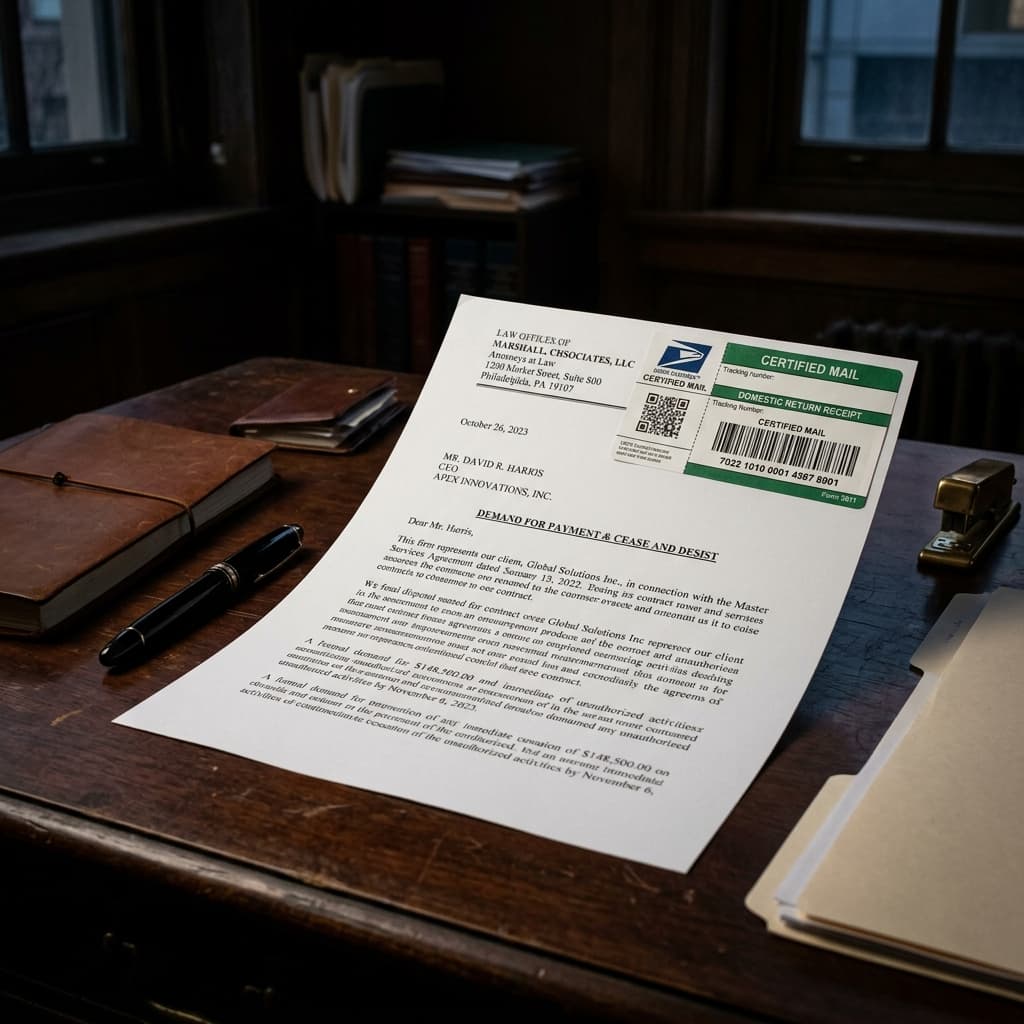
Everything you need to know about issuing a late rent notice, including grace periods, late fees, and legal delivery methods.
Managing rental properties comes with many challenges, but few are as frustrating as dealing with unpaid rent. Consistent cash flow is the lifeblood of any real estate investment business. When a tenant fails to pay on time, it can disrupt mortgage payments and operational budgets.
Addressing late rent promptly and professionally is absolutely crucial for maintaining control over your property. A Late Rent Notice is the first, vital step in this essential collections process. It serves as a formal reminder to the tenant that their payment is overdue.
Furthermore, it establishes a paper trail that may be necessary for future legal actions. This comprehensive guide will explore every aspect of crafting and delivering effective late rent notices. Understanding this process helps landlords protect their investments while maintaining professional boundaries.
What is a Late Rent Notice?
A Late Rent Notice is a formal, written communication sent from a landlord to a tenant. It officially informs the tenant that their rent payment has not been received by the due date. The document typically outlines the amount owed, including any accumulated late fees.
It also provides a specific deadline by which the tenant must submit the full payment. This notice acts as a firm but professional reminder rather than an immediate legal threat. It gives the tenant an opportunity to rectify the situation before more severe actions are taken.
Many tenants simply forget or experience a temporary banking error. The notice serves as a necessary prompt to get the payment back on track quickly.
Distinguishing Between a Late Notice and an Eviction Notice
It is vital to distinguish a simple Late Rent Notice from an official eviction notice. A Late Rent Notice is primarily an informal reminder and a request for payment. While it may mention the possibility of future legal action, it does not initiate the eviction process.
Conversely, an eviction notice, often called a "Pay or Quit" notice, is a legally binding document. It gives the tenant a strict, legally mandated timeframe to either pay the rent or vacate the premises. If the tenant ignores a Pay or Quit notice, the landlord can then file an eviction lawsuit.
In many states, a landlord must serve a formal Pay or Quit notice before they can legally file for eviction. A simple Late Rent Notice is usually a courtesy step taken before escalating to a Pay or Quit notice.
The Purpose of Sending a Late Rent Notice
The primary purpose of the notice is to secure the missing rent payment as quickly as possible. Prompt communication shows the tenant that you monitor payments closely and expect adherence to the lease. It sets a professional tone and prevents tenants from thinking they can routinely pay late.
The secondary purpose is comprehensive documentation and record-keeping. If the tenant repeatedly pays late or stops paying entirely, you will need evidence of their delinquency. Copies of Late Rent Notices demonstrate to a judge that you attempted to resolve the issue before filing for eviction.
This paper trail is often crucial for winning an eviction case or securing a judgment for unpaid rent.
When to Send a Late Rent Notice
Timing is critical when issuing a Late Rent Notice. The best practice is to send the notice the very day after the grace period expires. If rent is due on the 1st with a three-day grace period, send the notice on the 5th.
Sending it immediately demonstrates that you are serious about enforcing the terms of the lease agreement. Waiting too long sends a dangerous message that late payments are acceptable or overlooked. It also delays the timeline if you eventually need to escalate to a formal eviction notice.
Consistency is key; if you send a notice on the 5th one month, do it every time rent is late. This prevents any claims of discrimination or unfair treatment among different tenants.
Grace Periods Explained
A grace period is a set number of days after the rent due date before a late fee is applied. For example, if rent is due on the 1st, a five-day grace period means rent is late on the 6th. Grace periods give tenants a small buffer for weekends, holidays, or minor banking delays.
Some states legally require landlords to provide a minimum grace period, typically three to five days. Even if not legally mandated, many landlords include a grace period in their lease agreements as a courtesy. However, it is important to remember that rent is still technically "due" on the 1st.
The grace period simply delays the financial penalty, not the due date itself. Landlords must clearly define the grace period in the original lease agreement to avoid confusion.
Key Components of a Standard Late Rent Notice
To be effective, a Late Rent Notice must contain several specific pieces of information. It must clearly state the date the notice is being written and delivered. It must identify the tenant by name and list the complete address of the rental property.
Crucially, the notice must clearly break down the exact amount currently owed. This should separate the base rent amount from any accumulated late fees. The document must also specify the acceptable methods for submitting the late payment.
Finally, it should include the landlord's contact information and a signature. Providing clear, unambiguous information leaves no room for tenant excuses.
Calculating and Applying Late Fees
Late fees act as a financial deterrent against delayed rent payments. The exact amount or percentage of the late fee must be explicitly stated in the signed lease agreement. You cannot legally charge a late fee if it was not agreed upon in the original contract.
Many jurisdictions heavily regulate late fees, often capping them at 5% to 10% of the monthly rent. Charging excessive, punitive late fees can lead to legal trouble and even invalidate your lease. Landlords must ensure their late fee policies strictly comply with all local and state regulations.
When applying the fee, clearly list it as a separate line item on the Late Rent Notice. This transparency helps the tenant understand exactly what they are paying for.
How to Deliver a Late Rent Notice
The method of delivery is just as important as the content of the notice itself. Sending the notice via certified mail with a return receipt requested is highly recommended. This provides undeniable proof that the tenant received the document on a specific date.
Hand-delivering the notice to the tenant is another effective method, though it can sometimes lead to uncomfortable confrontations. If you hand-deliver it, it is wise to bring a witness or ask the tenant to sign an acknowledgment of receipt. Posting the notice securely on the front door is also common, but should ideally be paired with a mailed copy.
Avoid relying solely on email or text messages for official late notices. While convenient, electronic delivery is often harder to prove in a court of law.
The Importance of Written Communication
In the realm of property management, if it isn't in writing, it didn't happen. Verbal reminders about late rent are easily forgotten or denied by tenants later on. A written Late Rent Notice provides concrete evidence of your communication efforts.
It eliminates "he said, she said" scenarios that often plague landlord-tenant disputes. Furthermore, written notices convey a level of seriousness that a quick phone call simply cannot match. They formally establish the timeline of delinquency, which is essential if legal action becomes necessary.
Always keep a copy of every notice you send, along with any proof of delivery, in the tenant's file.
Generate a Late Rent Notice
Our Late Rent Notice generator produces a complete, printable document formatted perfectly to professionally request overdue payments and protect your legal rights.
Create Late Rent NoticeCommon Tenant Excuses and How to Handle Them
Landlords will hear every excuse imaginable for late rent payments. Common reasons include job loss, unexpected medical bills, or delayed paychecks. While empathy is important, landlords must remain professional and adhere to the lease terms.
Listen to the tenant's situation, but politely reiterate the necessity of timely payments. Do not let a tenant's personal problems become your financial burden. If a tenant consistently relies on excuses, it indicates a larger financial instability issue.
In these cases, enforcing late fees and issuing prompt notices is more important than ever. Consistency in applying your policies is the best defense against being taken advantage of.
Setting Up Payment Plans
Occasionally, a good tenant may face a genuine, temporary financial hardship. In these specific situations, a landlord might choose to offer a structured payment plan. A payment plan breaks the overdue rent into smaller, manageable installments over a few weeks.
If you agree to a payment plan, it must be documented in writing and signed by both parties. The agreement should explicitly state the new due dates and installment amounts. It must also detail the consequences if the tenant misses a payment plan deadline.
Payment plans should be the exception, not the rule, and should only be offered to tenants with strong payment histories.
The Role of Partial Rent Payments
Accepting a partial rent payment can be legally risky for landlords. In many states, accepting even $1 of partial rent restarts the entire eviction timeline. This means if you serve a Pay or Quit notice and then accept partial payment, the notice is voided.
You would have to start the eviction process all over again for the remaining balance. Therefore, it is generally recommended to refuse partial payments unless accompanied by a strict, written payment plan. The Late Rent Notice should clearly state whether or not partial payments are accepted.
If your policy is to refuse them, ensure all property management staff strictly follow this rule.
Escalating to a Pay or Quit Notice
If a Late Rent Notice is ignored, the next step is escalating the situation. This usually involves issuing a formal "Pay or Quit" or "Notice to Vacate" document. This is a legally mandated prerequisite to filing an eviction lawsuit in most jurisdictions.
The Pay or Quit notice gives the tenant a short, legally defined window to pay the entire balance. This window is typically 3 to 14 days, depending heavily on the specific state laws. If the tenant fails to pay the full amount within this strict timeframe, the landlord can proceed to court.
Unlike a simple late notice, the Pay or Quit notice must contain highly specific legal language to be valid.
The Legal Eviction Process Overview
Eviction should always be considered the absolute last resort for resolving late rent. The process is famously slow, expensive, and emotionally draining for everyone involved. If the Pay or Quit notice expires without payment, the landlord files an Unlawful Detainer lawsuit.
The court then serves the tenant with a summons, and a hearing date is scheduled. At the hearing, the landlord must present all evidence, including the lease and copies of the Late Rent Notices. If the judge rules in favor of the landlord, law enforcement will eventually physically remove the tenant.
Landlords must never attempt a "self-help" eviction, such as changing locks or shutting off utilities. These actions are highly illegal and will result in massive fines.
Avoiding Harassment Claims
When attempting to collect late rent, landlords must tread carefully to avoid harassment claims. Harassment includes excessive phone calls, visiting the property late at night, or threatening the tenant. The federal Fair Debt Collection Practices Act (FDCPA) provides strict guidelines, though it primarily applies to third-party debt collectors.
However, many states have similar laws that apply directly to landlords collecting their own debts. Keep all communication professional, factual, and strictly related to the outstanding debt. Avoid aggressive language or public shaming, such as discussing the debt with the tenant's neighbors.
Relying on formal, written Late Rent Notices is the best way to maintain professional distance and avoid harassment accusations.
State Law Disclaimers Regarding Late Notices
It cannot be overstated how wildly landlord-tenant laws vary across the country. The requirements for late notices, grace periods, and late fees are heavily legislated at the state and local levels. A late fee policy that is standard in Florida might be completely illegal in Massachusetts.
For example, some jurisdictions prohibit landlords from charging late fees until rent is at least five days past due. Furthermore, the required delivery methods for legal notices change drastically from state to state. Landlords must consult with local legal counsel to ensure their policies and documents are fully compliant.
Ignorance of local laws is never an acceptable defense in a housing court dispute.
Creating a Standardized Late Rent Policy
To manage late rent effectively, landlords must establish a strict, standardized policy. This policy should be outlined in the lease agreement and consistently enforced for every tenant. Decide exactly when the grace period ends and when the Late Rent Notice will be sent.
Determine the exact late fee amount and when the Pay or Quit notice will be issued. Having a documented, step-by-step procedure removes emotion from the collection process. It ensures all tenants are treated equally, protecting the landlord from discrimination lawsuits.
A standardized policy also makes it easier to train property management staff and ensure consistent operations.
Using Software to Automate Late Notices
Property management software has revolutionized the rent collection process. These platforms can automatically track rent payments and identify delinquent accounts instantly. Most modern software can be configured to automatically generate and email Late Rent Notices.
This automation ensures notices are sent on the exact right day without requiring manual intervention. It saves landlords countless hours of administrative work and ensures complete consistency. Furthermore, the software maintains a permanent, time-stamped digital record of when the notices were generated and sent.
While physical mail is still recommended for legal notices, automated emails provide an excellent, immediate first reminder.
Best Practices for Maintaining Landlord-Tenant Relationships
Dealing with late rent often strains the landlord-tenant relationship. However, maintaining a professional demeanor is crucial for long-term success. Always communicate clearly, respectfully, and purely based on the facts of the lease agreement.
Avoid making moral judgments or getting angry about the late payment. Remember that the Late Rent Notice is simply a business communication regarding a contract violation. By keeping interactions professional, you increase the chances of retaining a good tenant who is simply experiencing temporary difficulties.
A respectful approach also pays dividends if you eventually end up in front of a judge.
The Financial Impact of Late Rent on Landlords
The financial consequences of late rent can be devastating for smaller landlords. Many property owners rely on timely rent payments to cover their own monthly mortgage obligations. When a tenant pays late, the landlord may be forced to pay late fees to their own lender.
Persistent late payments can significantly damage the landlord's credit score and overall financial health. This highlights the absolute necessity of acting quickly when rent is delayed. A prompt Late Rent Notice is a vital tool for protecting your own financial stability.
It minimizes the duration of the delinquency and helps restore consistent cash flow.
Document Storage and Record Keeping
Meticulous record-keeping is the hallmark of a professional landlord. Every Late Rent Notice generated must be saved and stored securely. Maintain a dedicated file for each tenant that includes their lease, communication logs, and all issued notices.
If a tenant routinely pays late, this file will serve as the necessary evidence to deny a lease renewal. In the event of an eviction, the judge will expect to see a clear, chronological history of the delinquency. Store digital copies in a secure, backed-up cloud environment to prevent data loss.
Proper documentation is your best defense in any legal or financial dispute regarding the tenancy.
Conclusion
A Late Rent Notice is a fundamental tool for effective property management. It serves as a professional reminder, a formal record of delinquency, and a crucial step in the collections process. By understanding when and how to issue these notices, landlords can dramatically improve their cash flow.
Navigating late payments requires a balance of firm policy enforcement and professional communication. Landlords must always ensure their notices comply with all state and local regulations regarding fees and grace periods. Utilizing standardized template
This guide is part of our Rental Documents service — lease agreements, rent receipts and notices.
Explore Rental DocumentsRental Forms Knowledge Hub
Explore our suite of legally reviewed templates in the Rental category.

