
The Ultimate Guide to Mutual Non-Disclosure Agreements (NDAs)
Paystub Generator Editorial Team
Last Updated: September 2, 2026
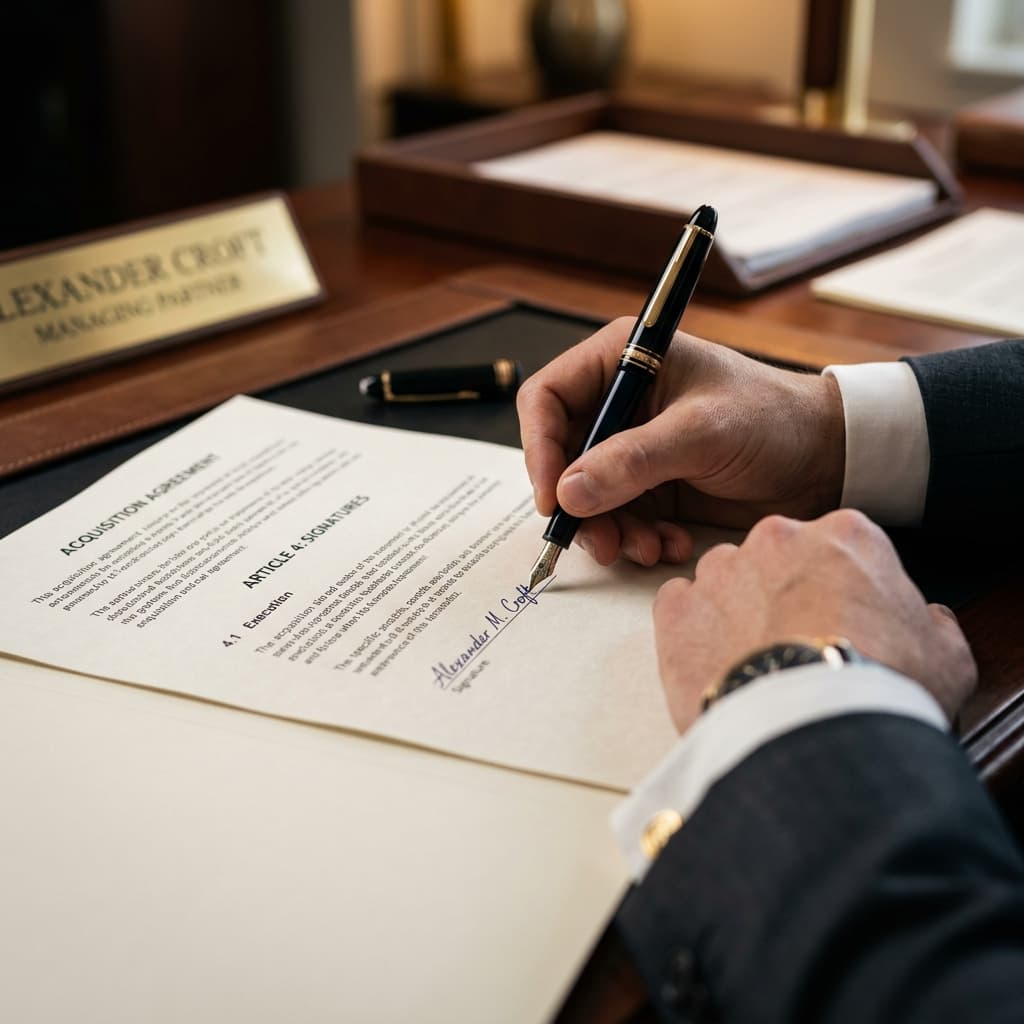
Learn how a Mutual NDA protects your confidential information during business negotiations, partnerships, and intellectual property discussions.
In today's highly competitive business landscape, protecting your proprietary information is not just an option; it is an absolute necessity. A Mutual Non-Disclosure Agreement (NDA) is the legal bedrock upon which safe and secure business discussions are built. Without this critical document, you risk exposing your most valuable secrets to competitors, potentially destroying your business before it even takes off.
A Mutual NDA is designed specifically for situations where two parties are exploring a potential relationship and both need to share confidential data. Unlike a one-way NDA, which only protects one party, a mutual agreement ensures that both sides are legally bound to secrecy. This comprehensive guide will detail everything you need to know about drafting, executing, and enforcing a rock-solid Mutual NDA.
What is a Mutual Non-Disclosure Agreement?
A Mutual Non-Disclosure Agreement is a legally binding contract between two parties that establishes a confidential relationship. It dictates that any sensitive information shared between the two parties cannot be disclosed to third parties or used for personal gain. Because it is mutual, both Party A and Party B are subject to the exact same restrictions and obligations regarding the information they receive.
This type of agreement is sometimes referred to as a Two-Way NDA, a Bilateral NDA, or a Mutual Confidentiality Agreement. The core purpose is to create a legal "safe space" where businesses can openly discuss potential mergers, partnerships, or joint ventures. By signing the document, both parties agree that the shared data will be used exclusively for the purpose of evaluating the potential business relationship.
If either party violates the terms of the NDA by leaking or misusing the confidential information, they face severe legal consequences. These consequences can include massive financial damages, injunctions to stop further disclosure, and the total collapse of the business deal. A properly drafted NDA is your first and most effective line of defense against corporate espionage and intellectual property theft.
When Should You Use a Mutual NDA?
You should utilize a Mutual NDA anytime you are entering discussions where both sides must reveal trade secrets or proprietary data to evaluate a partnership. The most common scenario is during discussions for a potential merger or acquisition. In these high-stakes negotiations, both companies must examine each other's financial records, customer lists, and internal processes.
Another frequent use case is when two companies are considering a joint venture or a co-marketing agreement. To determine if the partnership is viable, they must share marketing strategies, product roadmaps, and proprietary technology. Without a Mutual NDA, one company could simply steal the other's strategy and walk away from the deal.
Startups seeking funding from venture capital firms or angel investors also frequently use Mutual NDAs, though investors are sometimes reluctant to sign them. Additionally, independent contractors and freelancers may sign Mutual NDAs if they are collaborating closely with a client on a highly sensitive project. In any situation where the free flow of sensitive information goes both ways, a Mutual NDA is the correct legal tool.
Defining Confidential Information
The most critical section of any Mutual NDA is the definition of "Confidential Information." If this definition is too vague, a court may deem the entire contract unenforceable. If it is too narrow, you risk leaving critical pieces of your intellectual property completely unprotected.
A strong NDA will explicitly list the types of information considered confidential. This typically includes financial data, business plans, customer lists, software source code, manufacturing processes, and marketing strategies. It should also cover any physical prototypes, schematics, or unreleased product designs shared during the discussions.
Many courts require that confidential information be clearly marked or designated as "Confidential" at the time of disclosure. If the information is disclosed verbally, the NDA usually requires the disclosing party to follow up with a written summary within a specific timeframe, often 30 days, confirming the confidentiality of the conversation. This written record is essential if you ever need to prove a breach of contract in court.
Exclusions from Confidentiality
Just as important as defining what is confidential is defining what is not confidential. Every standard Mutual NDA includes specific exclusions to protect the receiving party from unreasonable restrictions. Without these standard exclusions, an NDA could be considered overly broad and legally invalid.
The most common exclusion is information that is already in the public domain at the time of disclosure. If your "secret" marketing strategy is already published on your public website, you cannot force the other party to keep it a secret. Similarly, if the information becomes public later through no fault of the receiving party, the confidentiality obligations cease.
Another standard exclusion is information the receiving party already knew before signing the NDA. They also cannot be restricted from using information they independently develop without ever referencing your confidential data. Finally, if they receive the information legitimately from a third party who is not bound by an NDA, that information is not restricted.
State Law Disclaimers and Governing Law
It is critical to understand that NDAs are governed by state contract law, and enforcement can vary significantly across jurisdictions. Disclaimer: This article provides general educational information and does not constitute legal advice. You should consult your state's specific laws or a qualified attorney to ensure compliance.
Every Mutual NDA should include a "Governing Law" clause, which dictates which state's laws will apply if a dispute arises. This is especially crucial when the two parties are located in different states. For example, California has very specific laws regarding NDAs and employee mobility, often rendering overly restrictive non-compete clauses embedded within NDAs completely void.
Furthermore, the NDA should specify the "Jurisdiction" or "Venue," indicating exactly which court system will handle any potential lawsuits. Choosing a favorable governing law and jurisdiction is a key negotiation point in complex corporate transactions. Relying on a generic, internet-sourced NDA that doesn't specify governing law is a massive legal risk.
Generate a Mutual NDA
Our Mutual NDA generator produces a complete, printable document customized to protect your business's most sensitive information. Secure your negotiations today.
Create Mutual NDAObligations of the Receiving Party
The Mutual NDA must clearly outline the specific obligations placed on whoever receives the confidential information. The primary obligation is, of course, non-disclosure: they cannot share the information with any unauthorized third parties. However, "unauthorized third parties" must be carefully defined, as the receiving party often needs to share the data with their own employees or lawyers to evaluate the deal.
Typically, the NDA allows the receiving party to share the information with their employees, contractors, and financial advisors strictly on a "need-to-know" basis. Crucially, the NDA must state that anyone who receives the information is also bound by the same confidentiality obligations. The receiving party remains legally responsible if their employee or contractor leaks the data.
The second primary obligation is "non-use." The receiving party is strictly prohibited from using the confidential information for any purpose other than the specific business relationship being evaluated. They cannot use your customer list to launch a competing product or use your financial data to trade stocks illegally.
Duration of the Agreement (Term)
A Mutual NDA must have a clearly defined timeframe; it cannot simply last forever. Courts are highly skeptical of perpetual NDAs, viewing them as unreasonable restraints on trade. Therefore, you must define both the "Disclosing Period" and the "Confidentiality Term."
The Disclosing Period is the timeframe during which information shared is covered by the NDA. For example, if the Disclosing Period is one year, any information shared after that year is not protected by this specific agreement. The Confidentiality Term is how long the receiving party must keep the information a secret after receiving it.
In most standard business NDAs, the Confidentiality Term ranges from two to five years. This is usually enough time for the information (like an upcoming marketing campaign or a new product launch) to become public knowledge anyway. However, if the shared information includes core "Trade Secrets" (like the Coca-Cola recipe), the NDA should state that trade secrets remain protected indefinitely until they are no longer secret.
Return or Destruction of Materials
When the business discussions conclude, whether a deal is struck or not, the confidential information must be handled properly. The Mutual NDA must include a clause dictating what happens to any physical or digital files shared during the evaluation period. Typically, the disclosing party has the right to demand the immediate return or destruction of all materials.
If the disclosing party requests destruction, the receiving party must permanently delete all digital files and shred all physical documents. To ensure compliance, the disclosing party can require a "Certificate of Destruction." This is a legally binding document signed by an officer of the receiving company swearing that all materials have been destroyed.
However, standard NDAs usually include an exception for routine computer backups. It is often technologically impossible for a large corporation to scrub a specific file from deeply archived server backups. The NDA should state that any retained backup copies remain subject to the strict confidentiality terms of the agreement.
Remedies for Breach of Contract
If one party violates the Mutual NDA, the other party must have clear legal recourse. The NDA should explicitly state the remedies available in the event of a breach. While financial damages are standard, calculating the exact monetary loss caused by a leaked trade secret is notoriously difficult.
Because financial damages are hard to prove and often insufficient, the NDA must include a clause allowing for "Injunctive Relief." An injunction is a court order demanding that the breaching party immediately stop sharing or using the confidential information. The NDA should state that the non-breaching party is entitled to seek an injunction without needing to prove actual financial damages or post a bond.
Additionally, the NDA should include an attorney's fees clause. This dictates that if one party has to sue the other to enforce the NDA, the losing party must pay the winner's legal fees. This clause is a powerful deterrent, as corporate litigation is incredibly expensive and risky.
The Problem with "Boilerplate" NDAs
Many startups and small businesses make the fatal mistake of downloading generic "boilerplate" NDAs from the internet. These free templates are often wildly outdated or drafted for completely different jurisdictions. Using a generic NDA to protect million-dollar intellectual property is like using a screen door on a bank vault.
A poorly drafted NDA can actually do more harm than good. If the definition of confidential information is too broad, a judge may throw the entire contract out, leaving you with zero protection. If it lacks a clear governing law clause, you could be forced to fight a costly legal battle in a hostile out-of-state court.
Your Mutual NDA must be tailored to your specific industry and the exact nature of the relationship you are exploring. Software companies need NDAs that specifically address source code and algorithms. Manufacturing companies need NDAs that protect schematics, supply chains, and fabrication processes.
Mutual NDAs vs. Unilateral NDAs
It is important to know when to use a Mutual NDA versus a Unilateral (One-Way) NDA. As discussed, a Mutual NDA is for situations where both sides are sharing secrets. A Unilateral NDA is used when only one side is disclosing confidential information, and the other side is strictly receiving it.
For example, if you are an inventor pitching a new product to a large manufacturing company, you only need a Unilateral NDA to protect your invention. The manufacturer is not sharing any secrets with you. In fact, many large corporations outright refuse to sign Mutual NDAs if they are only acting as the receiver, as it unnecessarily exposes them to liability.
Always choose the NDA that accurately reflects the reality of the information exchange. Forcing a Mutual NDA on a party that has no intention of sharing secrets can sour negotiations and make you look inexperienced. Assess the situation carefully before deciding which document to present.
Addressing Non-Solicitation Clauses
Many Mutual NDAs include additional restrictive covenants, such as a Non-Solicitation clause. During deep business evaluations, the two companies will likely interact with each other's key employees. A Non-Solicitation clause prevents one company from "poaching" or hiring the other company's employees after the negotiations end.
These clauses are highly practical; you do not want to expose your best software engineers to a competitor during a failed merger, only to have them hired away. However, like non-compete agreements, non-solicitation clauses are subject to strict scrutiny by state courts and must be reasonable in duration, usually lasting one to two years. Some states, like California, make employee non-solicitation clauses very difficult to enforce.
You can also include a non-solicitation of customers clause. This prevents the other party from using the confidential customer list they viewed to steal your clients. These additions make the Mutual NDA a much broader shield, protecting not just information, but your workforce and client base.
Execution and Signatures
For a Mutual NDA to be enforceable, it must be properly executed by authorized representatives of both companies. If a mid-level manager signs an NDA on behalf of a large corporation without the actual legal authority to bind the company, the contract may be invalid. Always ensure that the person signing holds a title like CEO, President, or legally authorized signatory.
Electronic signatures are generally perfectly valid for NDAs under the Electronic Signatures in Global and National Commerce (ESIGN) Act. Using secure e-signature platforms speeds up the negotiation process significantly. Both parties must retain a fully executed copy of the document for their records before any confidential information is ever exchanged.
Never, under any circumstances, share your confidential information before the NDA is fully signed by both sides. A verbal promise of confidentiality is worth nothing in a court of law. Once the secret is out without a signed contract in place, you can never get it back.
Conclusion
A Mutual Non-Disclosure Agreement is a vital tool for any business seeking to grow through partnerships, mergers, or investments. It fosters an environment of trust, allowing companies to share the
This guide is part of our Legal Forms service — NDAs, bills of sale and demand letters.
Explore Legal FormsLegal Forms Knowledge Hub
Explore our suite of legally binding templates in the Legal Forms category.

