
Complete Guide to Creating a Legally Binding Last Will & Testament
Paystub Generator Editorial Team
Last Updated: September 2, 2026
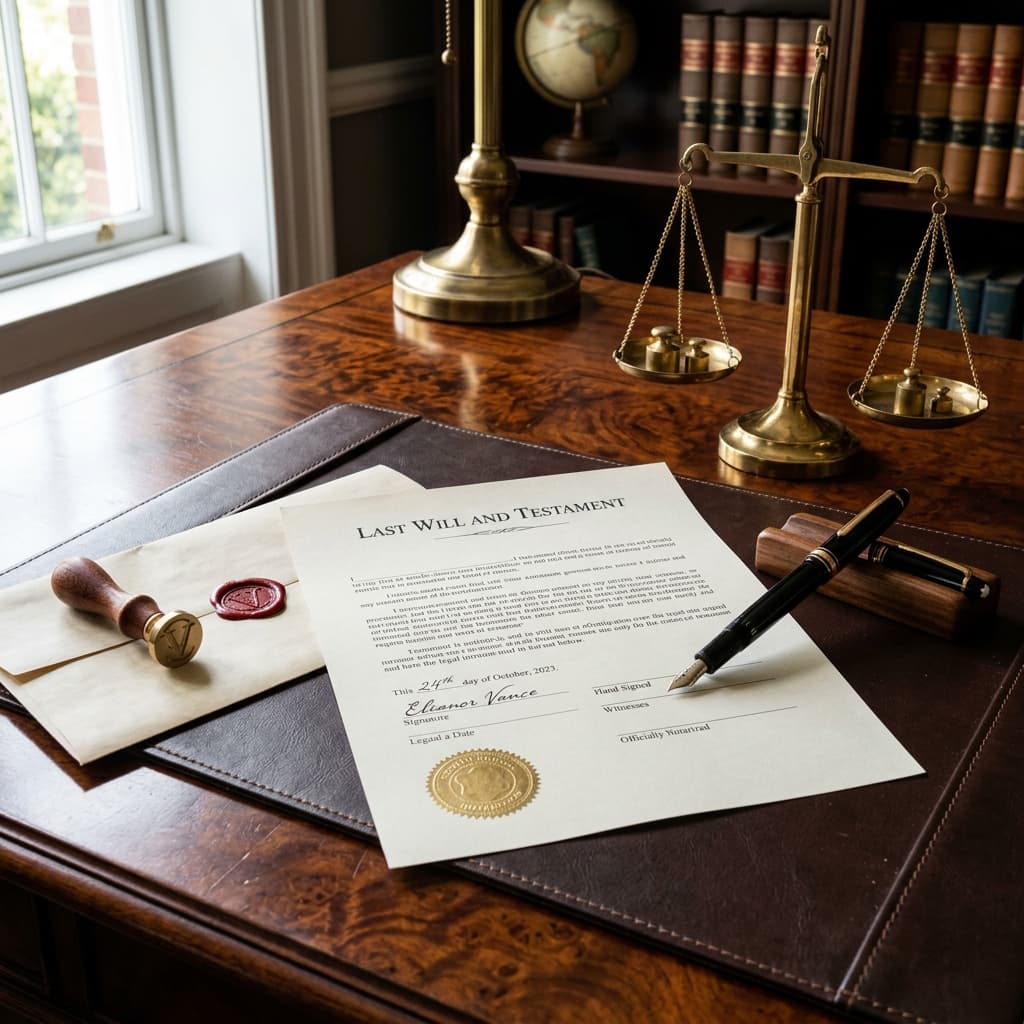
Discover everything you need to know about a Last Will & Testament, from state requirements and execution to selecting the right executor and guardians.
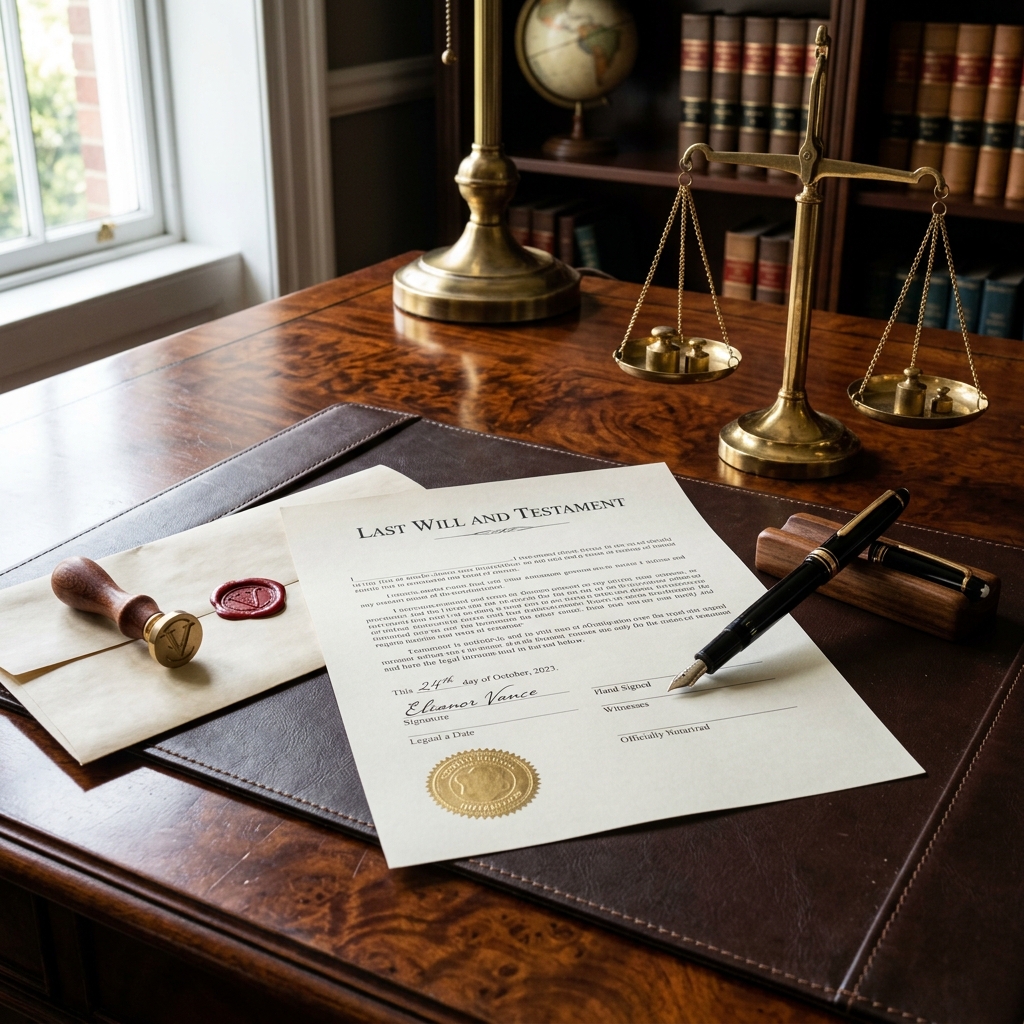
A Last Will and Testament is one of the most fundamental legal documents you can create during your lifetime. It provides the legal framework for distributing your assets, caring for your minor children, and handling your final affairs. Without this crucial document, the state determines what happens to your legacy, often resulting in complex legal battles for your loved ones.
Creating a Last Will and Testament might seem intimidating, but understanding its components makes the process straightforward. This guide explores every facet of drafting, executing, and maintaining a valid will. Whether you have a massive estate or modest assets, a will ensures your voice is heard after you pass away.
What is a Last Will and Testament?
A Last Will and Testament is a legally binding declaration of your final wishes. It dictates exactly how your property and assets should be distributed upon your death. Additionally, it allows you to appoint an executor to manage your estate and name guardians for your minor children.
The person creating the will is known as the "testator." The individuals or organizations receiving assets are called "beneficiaries." If you die having a valid will, you are said to die "testate."
Conversely, dying without a will is known as dying "intestate." When this happens, state intestacy laws dictate the distribution of your assets, which may completely contradict your actual desires.
State intestacy laws vary, but typically prioritize spouses, followed by children, parents, and siblings. These laws do not account for close friends, unmarried partners, or favorite charities. Therefore, relying on intestacy laws is a massive risk for anyone who cares about where their assets end up.
Why Everyone Needs a Last Will and Testament
Many people falsely believe that wills are only for the wealthy or the elderly. This is a dangerous misconception that can leave grieving families in financial and emotional turmoil. Anyone over the age of 18 years old in most US states should have a basic will in place.
First, a will allows you to name a guardian for your minor children. If both parents pass away without a will naming a guardian, the court will decide who raises the children. The court's choice might not be the person you would have trusted with this immense responsibility.
Second, a will lets you dictate who receives your assets and personal belongings. You can leave specific items, like a family heirloom or a vehicle, to specific individuals. You can also disinherit individuals who would otherwise inherit under state law.
Finally, a will minimizes family disputes. Clear, legally binding instructions leave no room for debate among surviving relatives. This clarity can preserve family relationships during an incredibly stressful and sorrowful time.
State Law Disclaimers and Requirements
It is critical to understand that wills are governed by state law. The requirements for a valid will can vary significantly depending on where you live. Disclaimer: This article provides general educational information and does not constitute legal advice.
You should consult your state's specific laws or a qualified attorney to ensure compliance.
Generally, a will must be in writing. While a few states recognize oral wills (nuncupative wills) in extremely limited circumstances, written wills are the standard. Nuncupative wills are only valid in about 20 states and often only for military personnel in active conflict or individuals facing imminent death.
The testator must also have "testamentary capacity." This means they must be of sound mind, understand that they are creating a will, understand the nature of their assets, and know who their natural heirs are. They must also be free from undue influence or duress.
The most common requirement across states relates to witnesses. Most states require a will to be signed by the testator in the presence of at least two disinterested witnesses. A disinterested witness is someone who is not named as a beneficiary in the will.
Generate a Last Will & Testament
Our Last Will & Testament generator produces a complete, printable document customized to your state's specific requirements.
Create Last Will & TestamentChoosing the Right Executor
The executor, sometimes called a personal representative, is the person you designate to carry out the terms of your will. This is a role that requires organization, patience, and financial responsibility. The executor is legally obligated to act in the best interest of the estate, a duty known as a fiduciary duty.
The executor's duties are extensive and can be time-consuming. They must locate and manage the deceased's assets, pay off any outstanding debts and taxes, and notify creditors. Only after debts are settled can they distribute the remaining assets to the beneficiaries.
When selecting an executor, consider someone who is highly organized and communicative. They should be capable of handling complex paperwork and interacting with financial institutions and court officials. You should always discuss this role with the person beforehand to ensure they are willing to accept the responsibility.
It is highly recommended to name at least one alternate executor. If your primary choice predeceases you, becomes incapacitated, or simply refuses the job, the alternate will step in. Without an alternate, the court will appoint an administrator, which may cause delays.
Appointing Guardians for Minor Children
For parents of minor children, the guardianship provision is arguably the most vital section of a will. If you and the child's other parent pass away, the appointed guardian will assume full legal and physical custody. They will make decisions regarding the child's education, healthcare, and daily upbringing.
Choosing a guardian requires deep consideration of several factors. Consider the prospective guardian's parenting style, their geographical location, and their financial stability. Also, consider their age and health, ensuring they are physically capable of raising children to adulthood.
Similar to executors, you should always name an alternate guardian. Life circumstances change, and your first choice might be unable to serve when the time comes. It is also essential to have a frank conversation with the prospective guardians before naming them in your will.
In most states, you can also establish a testamentary trust within your will to manage the financial assets left to minor children. You can appoint a trustee to manage these funds until the children reach a specific age. This prevents an 18-year-old from receiving a massive lump sum of money before they have the maturity to handle it.
Assets Covered by a Last Will and Testament
A will covers what is known as your "probate estate." These are assets owned solely in your name without any designated beneficiary. Examples include real estate solely in your name, vehicles, personal property, and bank accounts without a "payable on death" designation.
You can leave specific bequests, which are gifts of specific items or sums of money to specific individuals. For example, you might leave a vintage car to a sibling or $10,000 to a favorite charity. You can also leave general bequests, which are gifts of a certain value not tied to a specific asset.
The remainder of your estate, after specific bequests, debts, and taxes are paid, is called the residuary estate. Your will should clearly state who receives the residuary estate. Often, testators leave their residuary estate to their spouse or divide it equally among their children.
Assets NOT Covered by a Will
It is crucial to understand that a will does not control the distribution of all your assets. Many assets pass outside of a will, meaning they are distributed automatically upon your death regardless of what your will says. These are known as non-probate assets.
Life insurance policies, for example, pay out directly to the named beneficiaries on the policy. If your will states that your life insurance goes to your brother, but the policy names your spouse as the beneficiary, the spouse will receive the money. The same applies to retirement accounts like IRAs and 401(k)s.
Bank accounts with a Payable on Death (POD) or Transfer on Death (TOD) designation also bypass the will. Additionally, property owned jointly with the right of survivorship automatically passes to the surviving owner. In some states, property owned as "tenancy by the entirety" or "community property with right of survivorship" works the same way.
Joint Wills vs. Individual Wills
Historically, married couples sometimes utilized "joint wills." A joint will is a single document signed by both spouses that dictates what happens to their property after the first spouse dies, and then after the second spouse dies. Typically, a joint will leaves everything to the surviving spouse, and upon their death, everything goes to their children.
While this might sound efficient, joint wills are highly problematic and generally not recommended by modern estate planners. The biggest issue is that a joint will becomes irrevocable after the first spouse passes away. The surviving spouse cannot change the will, even if their life circumstances change drastically over the next few decades.
For example, if the surviving spouse remarries, they cannot leave any assets to their new spouse. If one of their children develops a severe gambling addiction, the surviving spouse cannot change the inheritance to protect the funds. Because of this inflexibility, most legal professionals strongly advise creating two separate, individual wills.
Planning for Digital Assets
In the modern era, our lives are increasingly digital, and estate planning must evolve to reflect this. Digital assets include email accounts, social media profiles, digital photos, cryptocurrency, and online business accounts. Many people fail to consider what happens to these assets when they pass away, leading to lost memories and inaccessible funds.
Your Last Will and Testament should explicitly address your digital assets. You can designate a "digital executor" who is specifically tasked with managing your online presence. This person should have the technical skills required to navigate various platforms and understand your wishes regarding account deletion or memorialization.
However, you should never put your passwords directly into your will, as the will becomes a public document once it enters probate. Instead, create a separate, secure document listing your accounts, usernames, and passwords. Reference this separate document in your will and ensure your executor knows exactly how to access it securely.
Addressing Special Needs Beneficiaries
If you have a child or dependent with special needs, standard inheritance rules can have devastating consequences. Leaving a significant sum of money directly to an individual with special needs can disqualify them from essential government assistance programs. Programs like Supplemental Security Income (SSI) and Medicaid have strict asset limits, often as low as $2,000.
To protect your loved one, you should not leave assets directly to them in your standard will. Instead, you must establish a Special Needs Trust (SNT). An SNT allows you to leave funds for the beneficiary's supplemental care, such as advanced medical treatments, education, or quality-of-life enhancements, without affecting their eligibility for government benefits.
Your will can include provisions that direct certain assets into this Special Needs Trust upon your death. You will need to appoint a trustee who understands the complex rules surrounding government benefits to manage the trust. This specialized planning ensures your loved one receives the care they need without compromising their vital support systems.
What Happens to Pets?
For many people, pets are beloved members of the family. However, under the law, pets are considered personal property. You cannot leave money directly to a dog or cat, but you can use your will to ensure they are properly cared for.
In your will, you should name a trusted caretaker for your pets. Have a serious conversation with this person beforehand to ensure they are willing and able to take on the responsibility of a new animal. You should also name an alternate caretaker, just as you would for an executor or guardian of minor children.
To provide for the pet's financial needs, you can leave a specific cash bequest to the caretaker. This money is intended to cover food, veterinary bills, and other expenses. For more robust protection, all 50 US states now recognize "Pet Trusts," which legally obligate the caretaker to use the funds strictly for the pet's benefit.
International Assets and Jurisdictions
If you own property in a foreign country, a single Last Will and Testament may not be sufficient. Real estate and physical assets are generally governed by the laws of the country where they are located. A will drafted in the United States might not be recognized or easily enforceable in another nation.
In many cases, it is necessary to draft a separate, "situs" will in the foreign country. This local will would specifically address the assets loca
Related Legal Resources
If you found this guide useful, our other legal tools can help you handle the next step. Explore our [ceas
This guide is part of our Legal Forms service — NDAs, bills of sale and demand letters.
Explore Legal FormsLegal Forms Knowledge Hub
Explore our suite of legally binding templates in the Legal Forms category.

