
Certificate of Completion: Validating Participation and Effort
Paystub Generator Editorial Team
Last Updated: September 2, 2026
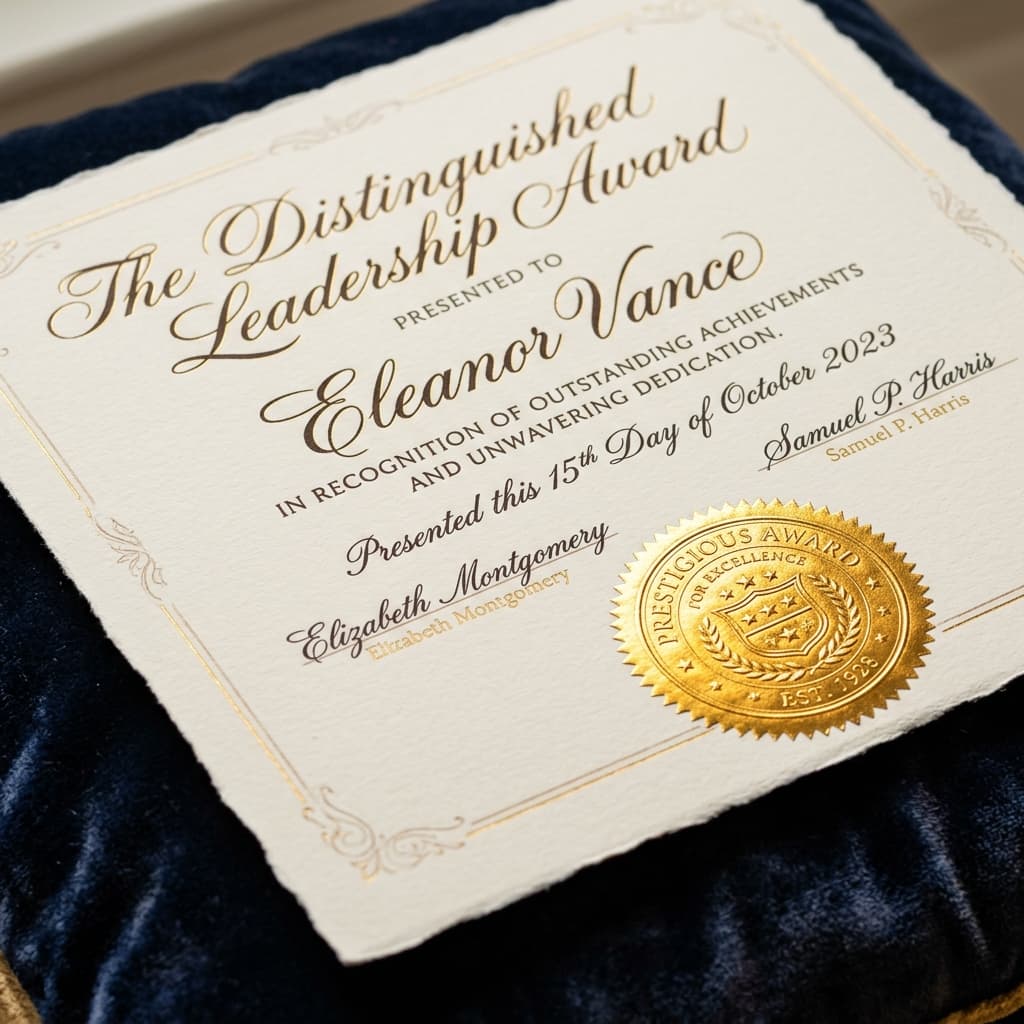
Everything you need to know about issuing a Certificate of Completion, from essential design elements to practical templates and administrative best practices.

A Certificate of Completion is a formal document verifying that an individual has successfully attended and finished a specific program, course, or project. Unlike certifications that require passing a rigorous exam, a Certificate of Completion primarily validates attendance and basic participation.
While it may not carry the same weight as a formal academic degree, it is an essential tool in the modern professional landscape. Educational platforms report that offering a Certificate of Completion increases course finish rates by up to 226%. People are highly motivated by the promise of a tangible credential at the end of their journey.
This comprehensive guide will walk you through the essential elements, various use cases, and best practices for creating and issuing a professional Certificate of Completion. We will also provide customizable wording templates for different industries.
The Core Elements of the Certificate
A well-crafted Certificate of Completion must be clear, accurate, and professional. It serves as an official record for the recipient, so ensuring all necessary details are present is paramount.
-
The Official Title - The title should be clearly stated at the top of the document. "Certificate of Completion" is the standard, though variations like "Certificate of Attendance" or "Certificate of Participation" are sometimes used depending on the strictness of the program requirements.
-
Recipient Identity - The full, legal name of the participant must be prominently displayed. Accuracy is crucial here. Always ask participants to verify the spelling of their names during the registration process to avoid administrative headaches later.
-
Program Description - The certificate must clearly state exactly what the individual completed. Use the full, official title of the course, seminar, or training program. Avoid using internal acronyms that an outside observer (like a potential employer) wouldn't understand.
-
Duration or Scope - Including the duration of the program adds significant value to the certificate. Stating that the recipient completed a "40-Hour Intensive Coding Bootcamp" sounds much more impressive than simply naming the bootcamp. It provides context for the effort expended.
-
Issuance Date - The specific date the program concluded should be clearly printed. This helps employers and educational institutions verify when the knowledge was acquired, which is especially important in rapidly changing fields like technology or medicine.
-
Issuing Authority and Signatures - The name and logo of the organization providing the course must be present. Furthermore, the certificate requires the signature of an authorized representative, such as the course instructor, program director, or company executive.
Why Issue Certificates of Completion?
Issuing these certificates is beneficial for both the organization providing the training and the individual receiving it. It creates a mutually beneficial cycle of motivation and brand awareness.
For the issuing organization, certificates act as a powerful marketing tool. When recipients share their certificates on LinkedIn or frame them in their offices, they are providing free advertising and social proof for your program. This drives future enrollment.
For the recipient, it provides a sense of closure and accomplishment. It is a tangible reward for their time and effort. Furthermore, it serves as a valuable addition to their resume, proving to employers that they are committed to continuous learning and self-improvement.
Common Scenarios and Use Cases
Certificates of Completion are ubiquitous across various sectors. Here are the most common environments where they are utilized.
Corporate Training Seminars
When a company brings in an outside expert for a two-day workshop on negotiation tactics or new software implementation, a Certificate of Completion is typically issued. It serves as proof for HR files that the employee attended the required professional development sessions.
Online Learning and MOOCs
Massive Open Online Courses (MOOCs) rely heavily on Certificates of Completion. Platforms offering courses in data science, graphic design, or creative writing use these certificates as the primary incentive for students to finish the curriculum rather than dropping out halfway through.
Compliance and Regulatory Briefings
In many industries, employees must attend annual briefings on topics like data privacy, workplace harassment, or basic safety protocols. A Certificate of Completion is often legally required to prove that the company has fulfilled its obligation to inform its staff.
Community and Hobby Classes
Local community centers offering classes in pottery, conversational Spanish, or basic photography often issue these certificates. It adds a touch of formal recognition to a casual learning environment, delighting the participants.
Generate a Certificate of Completion
Our Certificate of Completion generator produces a complete, printable document perfect for wrapping up any course, seminar, or training program.
Create Certificate of CompletionBest Practices for Document Design
A certificate should look authoritative. A poorly designed document undermines the credibility of the program it represents.
Prioritize Readability
Do not use overly complex or illegible fonts for the main text body. While a formal script font is acceptable for the recipient's name, the course details and dates should be in a clean, professional serif or sans-serif font.
Maintain Sufficient Whitespace
Clutter is the enemy of good design. Leave plenty of whitespace around the text and borders. This allows the eye to naturally focus on the most important information: the recipient's name and the course title.
Use High-Resolution Branding
Your logo should be sharp and clear. If you are printing physical copies, ensure you use a high-quality printer. Blurry logos suggest a lack of professionalism and make the certificate look counterfeit.
Choose Quality Materials
If you are presenting physical certificates, never use standard printer paper. Invest in specialty certificate paper or heavy cardstock. The physical weight of the paper subconsciously communicates the value of the document.
Wording Templates for Various Programs
The wording on a Certificate of Completion should be direct and formal. Here are five templates covering different scenarios.
Template 1: Standard Corporate Workshop
Title: Certificate of Completion Presentation: This is to certify that Name: [Participant Name] Description: Has successfully attended and completed the 16-hour workshop on [Course Title, e.g., Advanced Conflict Resolution]. Date: Completed on this [Day] of [Month], [Year]. Signatures: [Instructor Signature] | [HR Director Signature]
Template 2: Online E-Learning Course
Title: Certificate of Completion Presentation: Proudly presented to Name: [Student Name] Description: For the successful completion of the online curriculum: [Course Name, e.g., Introduction to Python Programming]. This curriculum consisted of 12 modules and a final capstone project. Date: [Date of Completion] Signatures: [Lead Instructor Signature] | [Platform Director Signature]
Template 3: Mandatory Compliance Training
Title: Certificate of Attendance and Completion Presentation: This document confirms that Name: [Employee Name] Description: Has fulfilled the annual requirement by completing the [Course Name, e.g., 2024 Data Privacy and Cybersecurity Briefing]. Date: [Date] Signatures: [Compliance Officer Signature] Certificate ID: [Unique Verification Number]
Template 4: Vocational or Trade Seminar
Title: Certificate of Completion Presentation: Awarded to Name: [Participant Name] Description: For successfully finishing the hands-on seminar: [Seminar Name, e.g., Modern HVAC Troubleshooting]. The participant completed 8 hours of practical instruction. Date: [Date] Signatures: [Master Technician Signature] | [Program Coordinator Signature]
Template 5: Community Education Class
Title: Certificate of Completion Presentation: This certifies that Name: [Participant Name] Description: Has enthusiastically participated in and completed the 6-week community course on [Course Name, e.g., Beginner Digital Photography]. Date: [Date] Signatures: [Instructor Name] | [Community Center Director]
Administrative Best Practices
Managing the issuance of certificates, especially for large groups, requires organizational discipline.
Automate the Process
For online courses or large seminars, manually typing out names is incredibly inefficient. Utilize a document generator or mail-merge software that pulls names directly from your registration database to automatically populate and generate the certificates.
Establish Clear Completion Criteria
Before the course begins, participants must know exactly what is required to earn the certificate. Does it require 100% attendance? Do they need to pass a final quiz with a minimum score? Clear expectations prevent arguments at the end of the program.
Maintain Secure Records
You must keep a permanent record of who received a certificate and when. Recipients frequently lose their physical copies and will contact you months or years later requesting a replacement. A secure, searchable database is essential for handling these requests efficiently.
The Rise of Digital Verifiable Certificates
The physical paper certificate is rapidly being replaced by secure digital versions. This shift solves several administrative and security problems.
Digital certificates cannot be easily forged. They often utilize blockchain technology or secure cryptographic hashes that link the document back to the issuing institution's database. Anyone can instantly verify the authenticity of the credential online.
Furthermore, digital certificates are highly shareable. Platforms like LinkedIn have dedicated sections for users to upload digital certificates. This seamless integration allows professionals to easily showcase their continuous learning to recruiters and peers, significantly increasing the value of the certificate to the recipient.
Frequently Asked Questions (FAQs)
Does a Certificate of Completion prove competency?
No, it generally does not. It proves that the individual attended the course and finished the required coursework. True competency is usually proven through a Certification, which requires passing an independent, standardized exam.
Can a Certificate of Completion expire?
Usually, no. Because it merely records that an event took place in the past (attendance at a course), the fact that it occurred doesn't expire. However, the knowledge itself may become outdated, prompting employers to look for more recent certificates.
Is it legal to withhold a certificate if a student hasn't paid full tuition?
Yes. A Certificate of Completion is a service/product provided by the educational institution. Standard policy dictates that all financial obligations must be met before official transcripts or certificates are released.
How do I verify a Certificate of Completion presented by a job applicant?
If the certificate does not have a digital verification link or QR code, you must contact the issuing institution directly. You will typically need to provide the applicant's name, the course title, and the date of completion to the institution's registrar or HR department.
What should I do if a participant demands a certificate but missed half the classes?
Stick to your established completion criteria. If the syllabus stated that 80% attendance was required, and they only achieved 50%, you should politely but firmly refuse to issue the certificate. Issuing it anyway damages the credibility of your entire program.
Conclusion
A Certificate of Completion is a vital tool in the realms of education and corporate training. It provides necessary closure, rewards effort, and acts as a valuable professional
This guide is part of our Certificates service — award, achievement and completion certificates.
Explore CertificatesCertificates & Awards Hub
Explore our suite of print-ready templates in the Certificates & Awards category.
