
The Comprehensive Guide to Cease and Desist Letters
Paystub Generator Editorial Team
Last Updated: September 2, 2026
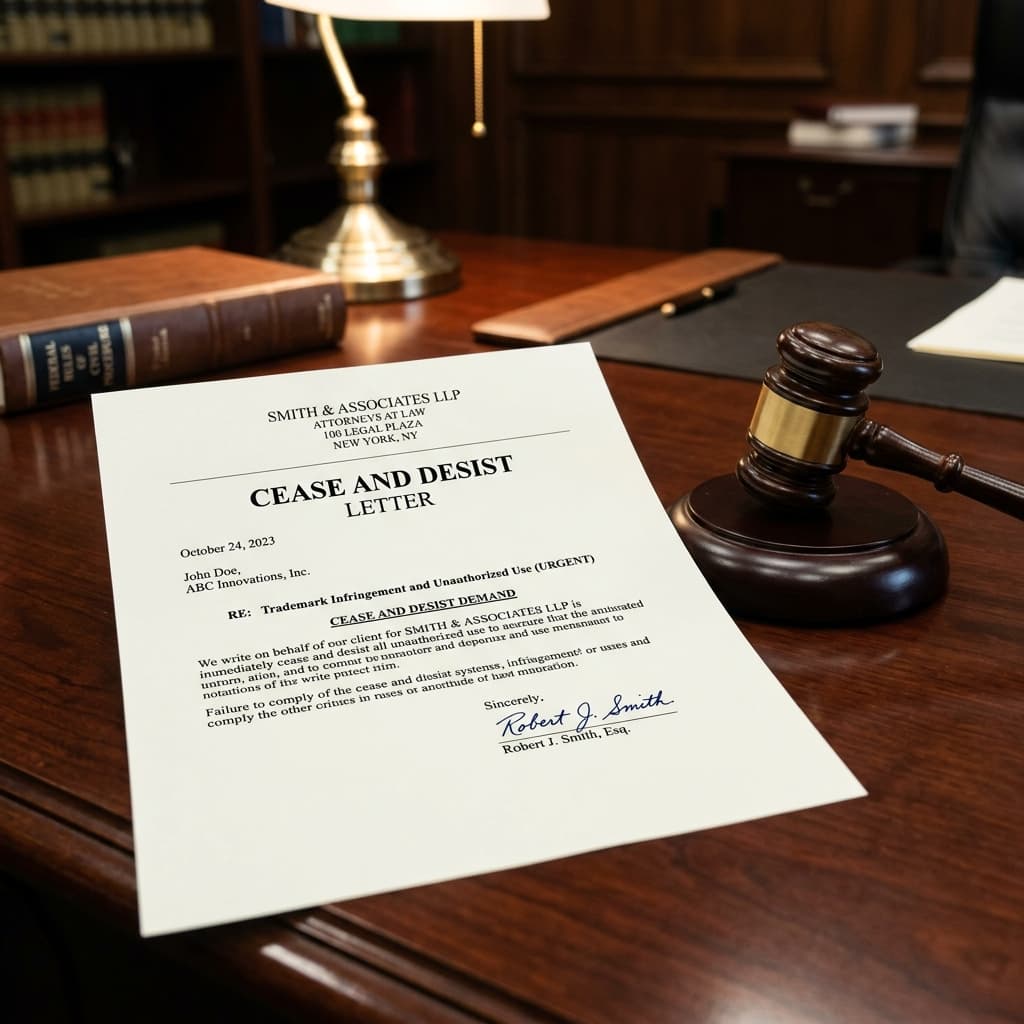
Everything you need to know about using a Cease and Desist Letter to stop harassment, trademark infringement, and breach of contract.
When someone is actively harming your business, infringing on your intellectual property, or engaging in relentless harassment, swift action is required. Allowing the destructive behavior to continue while you slowly prepare a massive lawsuit can result in irreparable damage. A Cease and Desist Letter is the legal equivalent of a warning shot, designed to halt the harmful activity immediately.
This powerful document puts the offending party on formal notice that their actions are illegal and will not be tolerated. For many individuals and businesses, receiving a well-drafted legal threat is enough to make them abandon their misconduct entirely. This guide explores the anatomy of a Cease and Desist Letter, explaining when to use one and how to ensure it achieves maximum impact.
What is a Cease and Desist Letter?
A Cease and Desist Letter is a formal written demand sent to an individual or organization, ordering them to stop a specific, allegedly illegal activity. The "cease" portion demands that they halt the current offending action immediately. The "desist" portion demands that they never engage in that specific action again in the future.
Unlike a court order or an injunction, a Cease and Desist Letter is not inherently legally binding on its own. You cannot go to jail simply for ignoring a letter sent by a private citizen or their attorney. However, the letter serves as crucial evidence that the offender was formally warned before a lawsuit was filed.
If the offender ignores the letter and the dispute goes to court, the judge will see that they acted with willful disregard. This willful continuation of harmful behavior can expose the offender to significantly higher financial damages, including punitive damages. Therefore, while the letter itself is just a warning, ignoring it carries massive legal risk.
Common Uses: Intellectual Property Infringement
The most frequent use of a Cease and Desist Letter is to protect intellectual property (IP), specifically copyrights, trademarks, and patents. If you discover a competitor using your trademarked logo on their website, a Cease and Desist is your first line of defense. You must actively police your trademarks; failing to stop infringers can actually result in the legal loss of your trademark rights.
In the realm of copyright, these letters are routinely sent to individuals who pirate software, steal photographs, or plagiarize written content. Under the Digital Millennium Copyright Act (DMCA), a specific type of Cease and Desist known as a "Takedown Notice" can be sent directly to the infringer's web host, forcing the host to remove the stolen content. This is often much faster and more effective than suing the individual infringer directly.
For patent infringement, the letters become significantly more complex and almost always require specialized legal counsel. Patent letters must explicitly detail exactly which claims of the patent are being violated by the competitor's product. Because patent litigation is astronomically expensive, a strong initial letter is vital for attempting to negotiate a licensing agreement instead of going to trial.
Common Uses: Harassment and Defamation
Beyond intellectual property, Cease and Desist Letters are frequently utilized to stop personal harassment or stalking. If someone is relentlessly calling you, showing up at your workplace, or sending threatening messages, a formal letter can serve as a firm boundary. If the harassment continues after the letter is received, it strengthens your case when applying for a court-ordered restraining order.
Defamation, which includes both libel (written) and slander (spoken), is another primary use case. If a former employee is posting provably false and damaging reviews about your business online, a Cease and Desist is the appropriate response. The letter should demand the immediate removal of the false statements and a public retraction.
However, it is crucial to distinguish between actual defamation and protected free speech or legitimate negative opinions. You cannot use a Cease and Desist Letter to silence a customer who simply wrote a truthful review stating they disliked your product. Using legal threats to suppress valid criticism can result in severe public relations backlash and potential counter-lawsuits.
State Law Disclaimers and Anti-SLAPP Statutes
When sending a Cease and Desist Letter regarding defamation or public speech, you must be hyper-aware of state-specific laws. Disclaimer: This article provides general educational information and does not constitute legal advice. You should consult your state's specific laws or a qualified attorney to ensure compliance.
Many states have enacted "Anti-SLAPP" (Strategic Lawsuits Against Public Participation) statutes to protect individuals from frivolous lawsuits intended to silence free speech. California and Texas have some of the strongest Anti-SLAPP laws in the country, allowing defendants to quickly dismiss baseless defamation suits and force the plaintiff to pay their legal fees. If you send a Cease and Desist threatening to sue someone for a truthful online review, you could find yourself paying their attorney's fees.
Therefore, you must ensure that the statements you are trying to stop are genuinely, provably false before threatening litigation. A poorly considered letter can trigger Anti-SLAPP protections, turning your attempt at intimidation into an incredibly expensive mistake. Consulting with an attorney is highly recommended before sending any letter regarding public speech.
Generate a Cease and Desist
Our Cease and Desist generator produces a complete, printable document customized to halt infringement and protect your legal rights.
Create Cease and DesistCommon Uses: Breach of Contract
Cease and Desist Letters are also standard tools for handling breaches of contract, particularly regarding restrictive covenants. If a former employee signed a Non-Compete Agreement and immediately went to work for your biggest rival, a letter is required. The letter demands they immediately cease working for the competitor or face a lawsuit for breach of contract.
Similarly, if someone violates a Non-Disclosure Agreement (NDA) by leaking your trade secrets, a Cease and Desist is the mandatory first step. The letter will demand they stop disseminating the information and return or destroy any confidential files in their possession. It puts them on notice that any further leaks will be met with immediate legal action.
In these contract dispute scenarios, the letter must explicitly reference the specific clauses of the contract that are being violated. You should always attach a copy of the signed contract to the letter so the recipient cannot claim ignorance. This establishes a clear, undeniable factual basis for your demands.
Structuring the Letter: The Introduction
A well-crafted Cease and Desist Letter must be intimidating, professional, and entirely devoid of emotion. It begins with formal formatting, including the sender's information, the date, and the recipient's information. The subject line should be bold and unmistakable, such as "CEASE AND DESIST: TRADEMARK INFRINGEMENT."
The opening paragraph must identify who you are and explicitly state the legal rights you hold. If you are defending a trademark, state the exact trademark registration number and the date it was issued. Establishing your legal standing immediately shows the recipient that you have the formal authority to make these demands.
Following the introduction, you must explicitly identify the offending party and their relationship to the dispute. If they are a former employee, note their dates of employment; if they are a competitor, identify their business entity. This clarifies exactly who the letter is targeting and why.
Detailing the Offending Behavior
The body of the letter must contain a highly specific, factual description of the behavior you want stopped. Vagueness is your enemy here; if you simply say "stop stealing my stuff," the letter is virtually useless. You must detail exactly what was stolen, when it was stolen, and where it is currently being used.
For example, "On October 12th, we discovered that your website, [insert URL], is utilizing our copyrighted logo without authorization." Include screenshots, dates, and any other verifiable evidence directly in the text or as attachments. This level of detail proves to the recipient that you have done your homework and have hard evidence of their misconduct.
Do not use this section to hurl insults or express your personal anger regarding the situation. Stick strictly to the facts, presenting them as if you were reading them aloud to a judge in a courtroom. An emotional letter looks amateurish; a factual letter looks like a preamble to a devastating lawsuit.
Making the Explicit Demand
After laying out the facts, the letter must transition to the actual demands. This section must be crystal clear regarding exactly what the recipient must do to avoid a lawsuit. The primary demand is always that they immediately "cease and desist" from the offending behavior.
However, depending on the situation, you may need to include additional, specific demands. If they infringed on a copyright, demand the immediate removal of the stolen content from all their platforms. If they breached an NDA, demand the immediate return of all confidential documents and a signed affidavit stating they retained no copies.
You must also establish a firm deadline for their compliance. A standard deadline is typically 10 to 14 days from the date of the letter, giving them a reasonable window to consult their own attorney. State the deadline clearly, noting that failure to comply by this exact date will result in immediate legal escalation.
The Threat of Legal Action
The final critical component of the letter is outlining the consequences of ignoring the demands. This is where you explicitly threaten to pursue litigation if they fail to comply by the deadline. You must make it clear that you will seek all available legal remedies to protect your rights.
You should mention that you will seek financial damages, including compensation for lost profits and potential punitive damages. If your state laws or the breached contract allow for it, explicitly state that you will also sue to recover all attorney's fees and court costs. The threat of having to pay your legal bills is often the most persuasive element of the entire letter.
As with any legal correspondence, only make threats you are genuinely prepared to carry out. If the recipient calls your bluff and ignores the letter, and you subsequently do nothing, you have effectively permitted the behavior to continue. Never send a Cease and Desist unless you are financially and emotionally prepared to file a lawsuit if necessary.
The Importance of Delivery Methods
Sending a Cease and Desist via standard email or a direct message on social media is a terrible idea. The recipient can easily ignore it, delete it, or claim it went to their spam folder. If you end up in court, you will have a very difficult time proving that the offender ever actually received the warning.
The absolute best method for sending this letter is via USPS Certified Mail with a Return Receipt Requested. This requires a physical signature upon delivery, providing you with a green postcard proving exactly who signed for it and when. Alternatively, hiring a private process server to hand-deliver the letter provides undeniable proof of receipt, though it is more expensive.
It is common practice to send the letter via multiple channels simultaneously. You might send it via Certified Mail, standard first-class mail, and email, noting all delivery methods within the letter itself. This multi-pronged approach ensures they receive it and completely destroys any plausible deniability.
Should a Lawyer Write the Letter?
One of the most common questions is whether you need a lawyer to draft a Cease and Desist Letter. Technically, no; anyone can draft and send a letter demanding that someone stop a harmful behavior. For minor disputes, utilizing a high-quality generator template is often sufficient to scare off an amateur infringer or harasser.
However, a letter arriving on the official letterhead of a respected law firm carries exponentially more weight. When a recipient sees a law firm's logo, they immediately understand that you have already spent money on legal counsel and are serious about suing. This psychological impact often results in immediate compliance, whereas a letter from an individual might be mocked or ignored.
Furthermore, if the dispute involves complex intellectual property law, Anti-SLAPP statutes, or significant financial stakes, hiring a lawyer is mandatory. An amateur who drafts a Cease and Desist Letter containing inaccurate legal claims or extortionate threats can completely sabotage their own case. Evaluate the risk and the value of what you are protecting before deciding to go the DIY route.
What to Do If You Receive One
Understanding how to react when you receive a Cease and Desist Letter is just as important as knowing how to send one. First and foremost: do not panic, and do not ignore it. Ignoring the letter is the fastest way to guarantee that a lawsuit will be filed against you.
Read the letter carefully, separating the factual claims from the aggressive legal posturing. Are their claims valid? Did you accidentally use a copyrighted image on your blog, or are they claiming trademark infringement over a completely generic word?
If the claims are entirely baseless, you (or your attorney) should send a formal response denying the allegations and refusing to comply.
If their claims are valid, the cheapest and smartest option is usually to comply immediately. Take down the offending image, stop the harassing phone calls, or change the name of your new product. Once you have complied, send a brief, written response confirming that you have ceased the behavior, which usually ends the matter entirely.
Conclusion
A Cease and Desist Letter is a critical mechanism for protecting your business, your intellectual property, and your personal peace. It establishes a firm legal boundary and provides offenders with a stark choice: stop immediately or prepare for a costly lawsuit. By utilizing this tool effectively, you can often resolve serious disputes without ever seeing the inside of a courtroom.
Whether you are fending off a giant corporation infringing on your patent or a neighbor engaging in harassment, formal documentation is your best weapon. Ensure your letter is factual, firm, and legally sound, completely devoid of emotional outbursts. When drafted and delivered correctly, a Cease and Desist Letter commands respect and forces compliance.
Related Legal Resources
If you found this guide useful, our other legal tools can help you handle the next step. Explore our
This guide is part of our Legal Forms service — NDAs, bills of sale and demand letters.
Explore Legal FormsLegal Forms Knowledge Hub
Explore our suite of legally binding templates in the Legal Forms category.

